



Bedankt voor het vertrouwen het afgelopen jaar! Om jou te bedanken bieden we GRATIS verzending (in België) aan op alles gedurende de hele maand januari.
- Afhalen na 1 uur in een winkel met voorraad
- In januari gratis thuislevering in België
- Ruim aanbod met 7 miljoen producten
Bedankt voor het vertrouwen het afgelopen jaar! Om jou te bedanken bieden we GRATIS verzending (in België) aan op alles gedurende de hele maand januari.
- Afhalen na 1 uur in een winkel met voorraad
- In januari gratis thuislevering in België
- Ruim aanbod met 7 miljoen producten





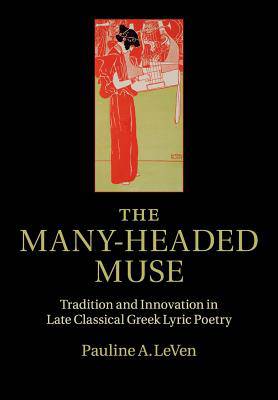
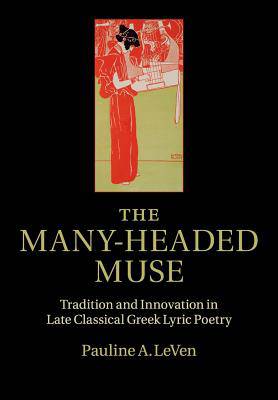
The Many-Headed Muse
Tradition and Innovation in Late Classical Greek Lyric Poetry
Pauline Leven
Paperback | Engels
€ 72,45
+ 144 punten
Omschrijving
This is the first monograph entirely devoted to the corpus of late classical Greek lyric poetry. Not only have the dithyrambs and kitharodic nomes of the New Musicians Timotheus and Philoxenus, the hymns of Aristotle and Ariphron, and the epigraphic paeans of Philodamus of Scarpheia and Isyllus of Epidaurus never been studied side by side, they have also remained hidden behind a series of critical prejudices - political, literary and aesthetic. Professor LeVen's book provides readings of these little-known poems and combines engagement with the style, narrative technique, poetics and reception of the texts with attention to the socio-cultural forces that shaped them. In examining the protean notions of tradition and innovation, the book contributes to the current reevaluation of the landscape of Greek poetry and performance in the late classical period and bridges a gap in our understanding of Greek literary history between the early classical and the Hellenistic periods.
Specificaties
Betrokkenen
- Auteur(s):
- Uitgeverij:
Inhoud
- Aantal bladzijden:
- 388
- Taal:
- Engels
Eigenschappen
- Productcode (EAN):
- 9781108401661
- Verschijningsdatum:
- 6/04/2017
- Uitvoering:
- Paperback
- Formaat:
- Trade paperback (VS)
- Afmetingen:
- 170 mm x 244 mm
- Gewicht:
- 616 g


Alleen bij Standaard Boekhandel
+ 144 punten op je klantenkaart van Standaard Boekhandel
SOLDEN


Beoordelingen
We publiceren alleen reviews die voldoen aan de voorwaarden voor reviews. Bekijk onze voorwaarden voor reviews.