


- Afhalen na 1 uur in een winkel met voorraad
- Gratis thuislevering in België vanaf € 30
- Ruim aanbod met 7 miljoen producten
- Afhalen na 1 uur in een winkel met voorraad
- Gratis thuislevering in België vanaf € 30
- Ruim aanbod met 7 miljoen producten





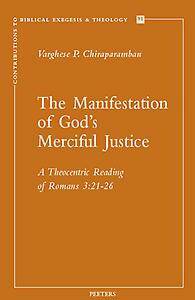
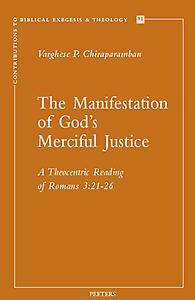
The Manifestation of God's Merciful Justice
A Theocentric Reading of Romans 3:21-26
Vp Chiraparamban
€ 78,00
+ 156 punten
Omschrijving
Rom 3:21-26 is crucial to the Letter to the Romans. Yet the construction and syntax of the pericope is perplexing, its meaning ambiguous or even obscure, its rhetoric complex and its interpretation and theology therefore controversial. Although clearly rich, its meaning is not easy to grasp in detail. For many interpreters, it concerns the justification of the human before God. For others it is about how Christ's faithful death justifies and redeems humanity. We can describe the former interpretation as anthropocentric, focused on a perceived human need; and the latter as christocentric, focused on the action of Christ. This book argues that a theocentric reading does more justice to the text. Other readings overlook the overwhelming centrality and activity of God in Paul's text. But a theocentric perspective provides a key which unlocks many of the puzzles in this passage and enables us to understand Romans 1-3.
Specificaties
Betrokkenen
- Auteur(s):
- Uitgeverij:
Inhoud
- Aantal bladzijden:
- 397
- Taal:
- Engels
- Reeks:
- Reeksnummer:
- nr. 91
Eigenschappen
- Productcode (EAN):
- 9789042936485
- Verschijningsdatum:
- 20/08/2018
- Uitvoering:
- Paperback
- Formaat:
- Trade paperback (VS)
- Afmetingen:
- 150 mm x 229 mm
- Gewicht:
- 557 g


Alleen bij Standaard Boekhandel
+ 156 punten op je klantenkaart van Standaard Boekhandel
Cadeau

AANGERADEN


Beoordelingen
We publiceren alleen reviews die voldoen aan de voorwaarden voor reviews. Bekijk onze voorwaarden voor reviews.