


- Afhalen na 1 uur in een winkel met voorraad
- Gratis thuislevering in België vanaf € 30
- Ruim aanbod met 7 miljoen producten
- Afhalen na 1 uur in een winkel met voorraad
- Gratis thuislevering in België vanaf € 30
- Ruim aanbod met 7 miljoen producten





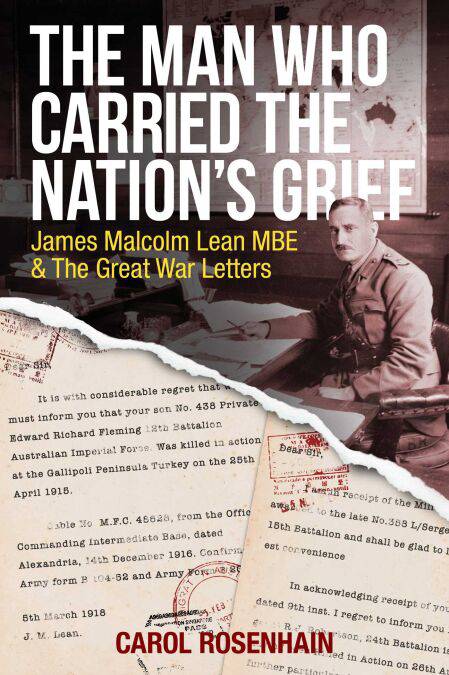
The Man who Carried the Nation's Grief E-BOOK
James Malcolm Lean MBE & The Great War Letters
Carol Rosenhain
E-book | Engels
€ 6,76
+ 6 punten
Eenvoudig bestellen
Veilig betalen


Onmiddellijk geleverd via e-mail
Omschrijving
‘I do feel the loss of my two boys, they was my all …’ wrote grieving father Ernest Watts following the death of his two sons. Like thousands of Australians during World War I, Ernest Watts received his tragic news through the office known as ‘Base Records’. This letter was just one in a series of correspondence that lasted the duration of the war and well into the post-war period. Every letter was answered with patience and courtesy and every response carried the same signature: J.M. Lean. The Man who Carried the Nation’s Grief describes the extraordinary work of James Lean, whose office at times received over 100 letters a day from distressed families. The letters selected by author Carol Rosenhain are quoted verbatim in all their rawness, the grief, anger and disbelief of the writer signifying wounds that would take years to heal while others never would. Like those of Ernest Watts, the letters often form part of a chain of correspondence that lasted well beyond the Armistice of 1918. For one shattered father, the fate of his missing boy would never be resolved, his son’s final resting place only discovered in Pheasant Wood almost a century after he met his death. Given his crucial role as the link between anxious families and the bureaucracy of the AIF, James Lean’s remarkable work is a surprising omission from the vast body of World War I literature. Carol Rosenhain’ s book rectifies this omission with a portrait of Lean himself and the grim task at which he excelled. This is a book that describes the impact of war on families in all its devastating reality.
Specificaties
Betrokkenen
- Auteur(s):
- Uitgeverij:
Inhoud
- Aantal bladzijden:
- 396
- Taal:
- Engels
Eigenschappen
- Productcode (EAN):
- 9781925520187
- Verschijningsdatum:
- 4/11/2016
- Uitvoering:
- E-book
- Beveiligd met:
- Adobe DRM
- Formaat:
- ePub



Alleen bij Standaard Boekhandel
+ 6 punten op je klantenkaart van Standaard Boekhandel
CADEAU

AANGERADEN


Beoordelingen
We publiceren alleen reviews die voldoen aan de voorwaarden voor reviews. Bekijk onze voorwaarden voor reviews.