


- Afhalen na 1 uur in een winkel met voorraad
- Gratis thuislevering in België vanaf € 30
- Ruim aanbod met 7 miljoen producten
- Afhalen na 1 uur in een winkel met voorraad
- Gratis thuislevering in België vanaf € 30
- Ruim aanbod met 7 miljoen producten





€ 22,95
+ 45 punten
Uitvoering
Eenvoudig bestellen
Veilig betalen


Gratis thuislevering vanaf € 30 (via bpost)
Gratis levering in je Standaard Boekhandel
Omschrijving
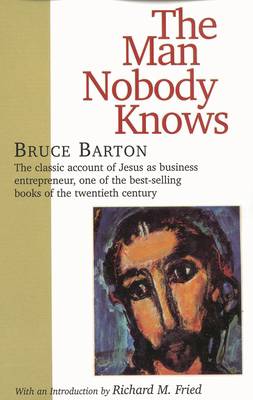
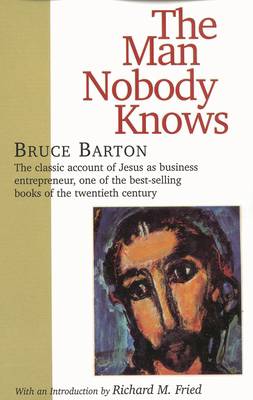
Bruce Barton's 1925 effort to reconfigure Jesus for the Roaring Twenties turned into one of the great best-sellers of the century. In The Man Nobody Knows, Barton depicted Christ as a man's man, not the meek, effeminate figure he had encountered in Sunday School. No Puritan or Prohibitionist, this Jesus turned water into wine and was "the most popular dinner guest in Jerusalem." Here was the world's first advertising man, whose parables sparkled as models for modern jingle writers. (Barton had co-founded the celebrated advertising firm of Batten, Barton, Durstine and Osborne.) Here was Christ, the world's greatest business executive, who "picked up twelve men from the bottom ranks of business and forged them into an organization that conquered the world." When in the 1950s Barton felt compelled to revise his often-reprinted book for a new generation, he blurred its focus. In this new edition, the historian Richard Fried revives the primary source in Barton's original language. Mr. Fried explores the book's rich insights into the culture of the 1920s, revealing not only the union of religion and business but changing attitudes toward consumption and leisure, sexuality and the roles of men and women.
Specificaties
Betrokkenen
- Auteur(s):
- Uitgeverij:
Inhoud
- Aantal bladzijden:
- 128
- Taal:
- Engels
Eigenschappen
- Productcode (EAN):
- 9781566632942
- Verschijningsdatum:
- 18/04/2000
- Uitvoering:
- Paperback
- Formaat:
- Trade paperback (VS)
- Afmetingen:
- 139 mm x 214 mm
- Gewicht:
- 185 g


Alleen bij Standaard Boekhandel
+ 45 punten op je klantenkaart van Standaard Boekhandel
CADEAU

AANGERADEN


Beoordelingen
We publiceren alleen reviews die voldoen aan de voorwaarden voor reviews. Bekijk onze voorwaarden voor reviews.