



Bedankt voor het vertrouwen het afgelopen jaar! Om jou te bedanken bieden we GRATIS verzending (in België) aan op alles gedurende de hele maand januari.
- Afhalen na 1 uur in een winkel met voorraad
- In januari gratis thuislevering in België
- Ruim aanbod met 7 miljoen producten
Bedankt voor het vertrouwen het afgelopen jaar! Om jou te bedanken bieden we GRATIS verzending (in België) aan op alles gedurende de hele maand januari.
- Afhalen na 1 uur in een winkel met voorraad
- In januari gratis thuislevering in België
- Ruim aanbod met 7 miljoen producten





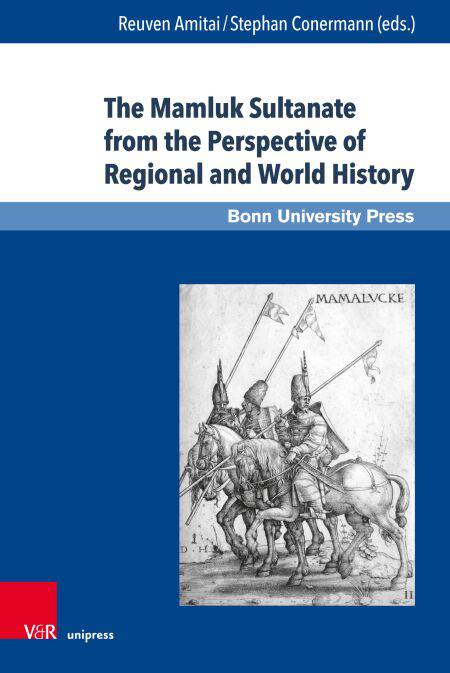
The Mamluk Sultanate from the Perspective of Regional and World History E-BOOK
Economic, Social and Cultural Development in an Era of Increasing International Interaction and Competition
€ 85,00
+ 85 punten
Omschrijving
The Mamluk Sultanate represents an extremely interesting case study to examine social, economic and cultural developments in the transition into the rapidly changing modern world. On the one hand, it is the heir of a political and military tradition that goes back hundreds of years, and brought this to a high pitch that enabled astounding victories over serious external threats. On the other hand, as time went on, it was increasingly confronted with "modern" problems that would necessitate fundamental changes in its structure and content. The Mamluk period was one of great religious and social change, and in many ways the modern demographic map was established at this time. This volume shows that the situation of the Mamluk Sultanate was far from that of decadence, and until the end it was a vibrant society (although not without tensions and increasing problems) that did its best to adapt and compete in a rapidly changing world.
Specificaties
Betrokkenen
- Uitgeverij:
Inhoud
- Aantal bladzijden:
- 535
- Taal:
- Engels
- Reeks:
Eigenschappen
- Productcode (EAN):
- 9783847004110
- Verschijningsdatum:
- 16/06/2019
- Uitvoering:
- E-book
- Formaat:

Alleen bij Standaard Boekhandel
+ 85 punten op je klantenkaart van Standaard Boekhandel
SOLDEN


Beoordelingen
We publiceren alleen reviews die voldoen aan de voorwaarden voor reviews. Bekijk onze voorwaarden voor reviews.