


- Afhalen na 1 uur in een winkel met voorraad
- Gratis thuislevering in België vanaf € 30
- Ruim aanbod met 7 miljoen producten
- Afhalen na 1 uur in een winkel met voorraad
- Gratis thuislevering in België vanaf € 30
- Ruim aanbod met 7 miljoen producten





Omschrijving
"This Malevole is one of the most prodigious affections that ever conversed with nature: a man, or rather a monster, more discontent than Lucifer."
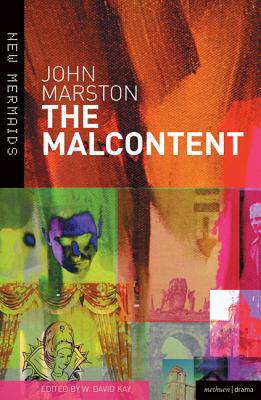
The Malcontent is a striking example of the new satiric tone and moral seriousness in English comedy of the early 1600s. The play's vision of a fallen humanity driven by lust and ambition is created partly by its depiction of Machiavellian intrigue in the court of Genoa, and partly by the disaffected Malevole, the malcontent of the title, who is actually the deposed Duke Altofronto in disguise. Marston's tragi-comedy is full of reversals, surprises and moral transformations and offers a thin disguise for the Jacobean court and its vices. This new student edition contains a lengthy new Introduction with background on the author, date and sources, theme, critical interpretation and stage history.
Specificaties
Betrokkenen
- Auteur(s):
- Uitgeverij:
Inhoud
- Aantal bladzijden:
- 176
- Taal:
- Engels
- Reeks:
Eigenschappen
- Productcode (EAN):
- 9780713642889
- Verschijningsdatum:
- 12/06/2008
- Uitvoering:
- Paperback
- Formaat:
- Trade paperback (VS)
- Afmetingen:
- 133 mm x 199 mm
- Gewicht:
- 195 g


Alleen bij Standaard Boekhandel
+ 55 punten op je klantenkaart van Standaard Boekhandel
Cadeau

AANGERADEN


Beoordelingen
We publiceren alleen reviews die voldoen aan de voorwaarden voor reviews. Bekijk onze voorwaarden voor reviews.