


- Afhalen na 1 uur in een winkel met voorraad
- Gratis thuislevering in België vanaf € 30
- Ruim aanbod met 7 miljoen producten
- Afhalen na 1 uur in een winkel met voorraad
- Gratis thuislevering in België vanaf € 30
- Ruim aanbod met 7 miljoen producten





€ 16,45
+ 32 punten
Omschrijving
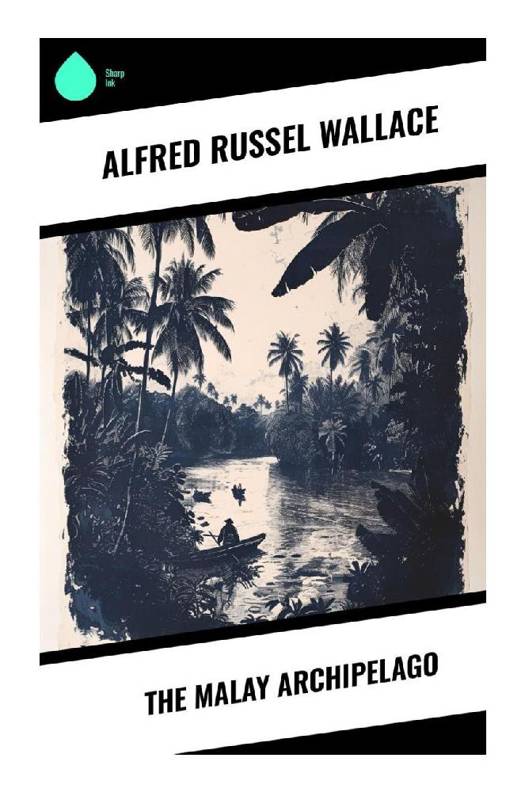
In "The Malay Archipelago," Alfred Russel Wallace embarks on an extraordinary exploration of the rich biodiversity and intricate ecosystems of Southeast Asia. Written during the late Victorian period, the book melds scientific observation with vivid travelogue, capturing the unique flora and fauna, as well as the cultural landscapes of the islands. Wallace's meticulous documentation not only provides invaluable insights into the theory of evolution, foreshadowing his later collaboration with Charles Darwin, but also reflects the period's burgeoning interest in natural history and imperial exploration. His engaging prose invites readers into the heart of the region, where natural wonders abound and scientific inquiry thrives. Alfred Russel Wallace, a contemporary of Darwin, is often recognized as a co-discoverer of the theory of natural selection. His extensive travels in the Malay Archipelago-from the densely populated Java to the untouched wilderness of New Guinea-were pivotal in shaping his scientific thought. Wallace's life as a self-taught naturalist and his profound reverence for nature are palpable throughout the narrative, revealing his relentless curiosity and desire to understand the world in new and meaningful ways. I highly recommend "The Malay Archipelago" to anyone with an interest in natural history, travel literature, or the origins of evolutionary theory. This seminal work, rich in detail and insight, goes beyond mere observation to offer a thoughtful reflection on the interplay between nature and humanity, making it an essential read for both scholars and general readers alike.
Specificaties
Betrokkenen
- Auteur(s):
- Uitgeverij:
Inhoud
- Taal:
- Engels
Eigenschappen
- Productcode (EAN):
- 9788028357467
- Uitvoering:
- Paperback
- Afmetingen:
- 152 mm x 229 mm
- Gewicht:
- 429 g



Alleen bij Standaard Boekhandel
+ 32 punten op je klantenkaart van Standaard Boekhandel
Cadeau

AANGERADEN


Beoordelingen
We publiceren alleen reviews die voldoen aan de voorwaarden voor reviews. Bekijk onze voorwaarden voor reviews.