Standaard Boekhandel gebruikt cookies en gelijkaardige technologieën om de website goed te laten werken en je een betere surfervaring te bezorgen.
Hieronder kan je kiezen welke cookies je wilt inschakelen:
Technische en functionele cookies
Deze cookies zijn essentieel om de website goed te laten functioneren, en laten je toe om bijvoorbeeld in te loggen. Je kan deze cookies niet uitschakelen.
Analytische cookies
Deze cookies verzamelen anonieme informatie over het gebruik van onze website. Op die manier kunnen we de website beter afstemmen op de behoeften van de gebruikers.
Marketingcookies
Deze cookies delen je gedrag op onze website met externe partijen, zodat je op externe platformen relevantere advertenties van Standaard Boekhandel te zien krijgt.
Je cadeautjes zeker op tijd in huis hebben voor de feestdagen? Kom langs in onze winkels en vind het perfecte geschenk!
Afhalen na 1 uur in een winkel met voorraad
Gratis thuislevering in België vanaf € 30
Ruim aanbod met 7 miljoen producten
Je cadeautjes zeker op tijd in huis hebben voor de feestdagen? Kom langs in onze winkels en vind het perfecte geschenk!
Je kan maximaal 250 producten tegelijk aan je winkelmandje toevoegen. Verwijdere enkele producten uit je winkelmandje, of splits je bestelling op in meerdere bestellingen.
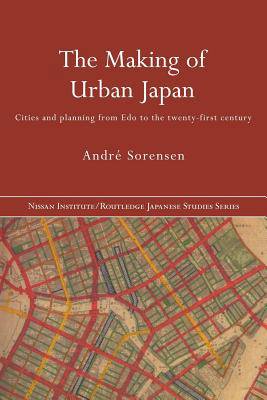
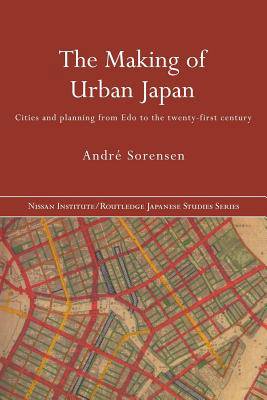
During the twentieth century, Japan was transformed from a poor, primarily rural country into one of the world's largest industrial powers and most highly urbanised countries. Interestingly, while Japanese governments and planners borrowed carefully from the planning ideas and methods of many other countries, Japanese urban planning, urban governance and cities developed very differently from those of other developed countries. Japan's distinctive patterns of urbanisation are partly a product of the highly developed urban system, urban traditions and material culture of the pre-modern period, which remained influential until well after the Pacific War. A second key influence has been the dominance of central government in urban affairs, and its consistent prioritisation of economic growth over the public welfare or urban quality of life. André Sorensen examines Japan's urban trajectory from the mid-nineteenth century to the present, paying particular attention to the weak development of Japanese civil society, local governments, and land development and planning regulations.