


Bedankt voor het vertrouwen het afgelopen jaar! Om jou te bedanken bieden we GRATIS verzending (in België) aan op alles gedurende de hele maand januari.
- Afhalen na 1 uur in een winkel met voorraad
- In januari gratis thuislevering in België
- Ruim aanbod met 7 miljoen producten
Bedankt voor het vertrouwen het afgelopen jaar! Om jou te bedanken bieden we GRATIS verzending (in België) aan op alles gedurende de hele maand januari.
- Afhalen na 1 uur in een winkel met voorraad
- In januari gratis thuislevering in België
- Ruim aanbod met 7 miljoen producten




€ 153,45
+ 306 punten
Omschrijving
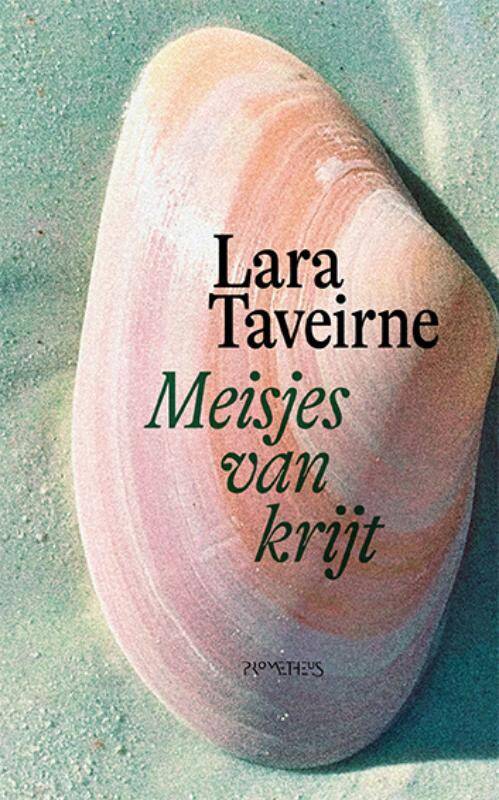
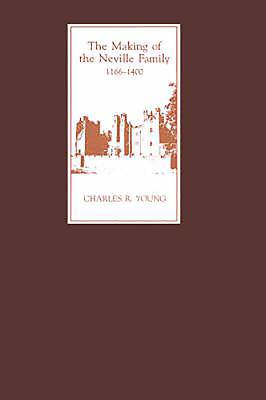
The story of the Neville family is a fascinating one. From their inconspicuous beginnings in Lincolnshire after the Norman Conquest, by the fourteenth century the Nevilles of Raby were among the most influential groups in the north of England, virtually ruling the area by means of the royal offices they held, and their political power reached its zenith in the fifteenth century with Richard de Neville, earl of Warwick, the so-called Kingmaker. This new study aims to answer the question of how a family of knightly status but with no special prominence was able to rise to such heights, tracing its growth and development through a careful examination of surviving documents; it also illustrates how the governance of medieval England worked with the cooperation of baronial families in a pragmatic manner, quite apart from any abstract legal or constitutional principles. CHARLES R. YOUNG is Professor Emeritus of History at Duke University.
Specificaties
Betrokkenen
- Auteur(s):
- Uitgeverij:
Inhoud
- Aantal bladzijden:
- 186
- Taal:
- Engels
Eigenschappen
- Productcode (EAN):
- 9780851156682
- Verschijningsdatum:
- 14/11/1996
- Uitvoering:
- Hardcover
- Formaat:
- Genaaid
- Afmetingen:
- 163 mm x 244 mm
- Gewicht:
- 430 g


Alleen bij Standaard Boekhandel
+ 306 punten op je klantenkaart van Standaard Boekhandel
SOLDEN


Beoordelingen
We publiceren alleen reviews die voldoen aan de voorwaarden voor reviews. Bekijk onze voorwaarden voor reviews.