


- Afhalen na 1 uur in een winkel met voorraad
- Gratis thuislevering in België vanaf € 30
- Ruim aanbod met 7 miljoen producten
- Afhalen na 1 uur in een winkel met voorraad
- Gratis thuislevering in België vanaf € 30
- Ruim aanbod met 7 miljoen producten




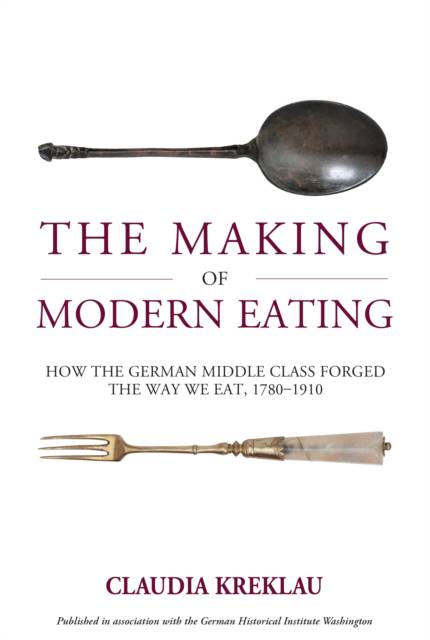
The Making of Modern Eating
How the German Middle Class Forged the Way We Eat, 1780-1910
Claudia Kreklau
€ 241,95
+ 483 punten
Omschrijving
Nineteenth-century Germany invented the way we eat. Women experimenting in households, French chefs fleeing guillotines, and one of the most rapidly evolving food industries in the world forged recognizably modern eating practices between 1780 and 1910. While central Europeans merely aimed to survive long winters, experiment with translated recipes and curious ingredients from abroad, and embrace the conveniences of industrial life, their consumption habits and cooking practices created a new product landscape. Throughout this transitional era of history, individuals visibly communicated their self-understandings through food. This study of central European food modernity and middle-class identity aims to provide fresh footing for discussions in our own changing global era.
Specificaties
Betrokkenen
- Auteur(s):
- Uitgeverij:
Inhoud
- Aantal bladzijden:
- 368
- Taal:
- Engels
- Reeks:
- Reeksnummer:
- nr. 32
Eigenschappen
- Productcode (EAN):
- 9781836953586
- Verschijningsdatum:
- 1/02/2026
- Uitvoering:
- Hardcover
- Formaat:
- Bibliotheekbinding
- Afmetingen:
- 152 mm x 229 mm
- Gewicht:
- 594 g


Alleen bij Standaard Boekhandel
+ 483 punten op je klantenkaart van Standaard Boekhandel
AANGERADEN


Beoordelingen
We publiceren alleen reviews die voldoen aan de voorwaarden voor reviews. Bekijk onze voorwaarden voor reviews.