


- Afhalen na 1 uur in een winkel met voorraad
- Gratis thuislevering in België vanaf € 30
- Ruim aanbod met 7 miljoen producten
- Afhalen na 1 uur in een winkel met voorraad
- Gratis thuislevering in België vanaf € 30
- Ruim aanbod met 7 miljoen producten





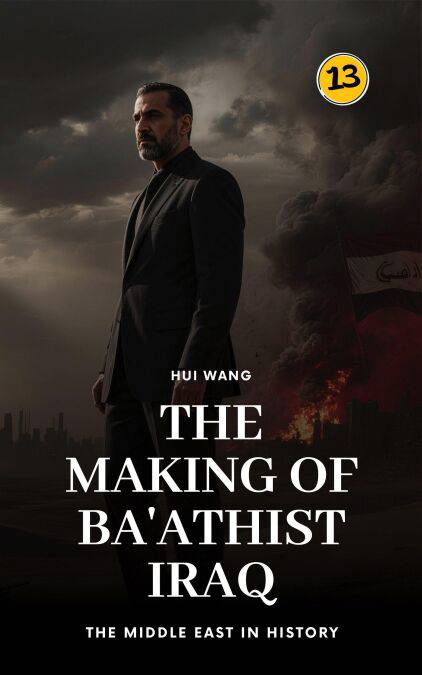
The Making of Ba'athist Iraq: The Middle East in History E-BOOK
The Middle East in History, #13
Hui Wang
€ 6,99
+ 6 punten
Omschrijving
The Making of Ba'athist Iraq: The Middle East in History, is my attempt to tell Iraq's modern story the long way, not the shortcut readers often prefer. Before Saddam Hussein and before the Ba'ath Party took center stage, a series of agreements and regional power plays were already redefining the map — British treaties and negotiations, border settlements involving Najd and the rising House of Saud, and diplomatic bargains that altered Kuwait's status and boundaries. Alongside these diplomatic shifts came early strongmen such as Bakr Sidqi, whose 1936 coup offered a template for how military power could upend politics in Baghdad.
From there I trace Iraq through moments whose echoes reach into our present: Rashid Ali al‑Gaylani's confrontation with Britain during the 1941 Anglo‑Iraqi War and the brief coup that precipitated it; the transformation of oil from a foreign concession into a lever of political pressure; and the seismic influence of Gamal Abdel Nasser and the 1956 Suez Crisis, which energized pan‑Arab sentiment and shook regional loyalties. These were not merely foreign‑policy shocks — they eroded confidence in the monarchy itself. Men like King Faisal II, Nuri al‑Said, and the old elite found themselves facing a country that no longer believed in their rule.
At the center of the story stand Abd al-Karim Qasim and Abdul Salam Arif — their uneasy partnership, rivalry, and eventual break would help define the Iraqi Revolution and its chaotic aftermath. I lead the reader through Mosul's streets and the rising sway of the Ba'ath Party, and I examine the part played by foreign intelligence — including the controversial, much-debated allegations of CIA contact surrounding the February 1963 coup. Power in Iraq never transferred neatly; it lurched, snapped, and spilled blood, and every faction learned the hard lessons of force and fear.
From there the lens tightens on Tikrit and the making of Saddam Hussein. His childhood and sudden ascent from obscurity, his involvement in party violence and alleged assassination plots, his years of arrest, exile, imprisonment, escape, and survival — these episodes form a single, unbroken thread. I don't present Saddam as a myth or a monster born whole; I trace how an era of chaos, repeated coups, and routinized violence shaped a man who learned early on that mercy carried little value in Iraqi politics.
The final chapters turn north, to Mullah Mustafa Barzani and the Kurdish struggle, to the long series of clashes in which Kurdish insurgency collided with the Ba'ath Party as it tightened its hold on the state. These pages trace how ethnic tension, oil, and the levers of state control fused into a single, combustible story that helps explain why Iraq never achieved lasting stability.
Specificaties
Betrokkenen
- Auteur(s):
- Uitgeverij:
Inhoud
- Taal:
- Engels
- Reeks:
Eigenschappen
- Productcode (EAN):
- 9789190115985
- Verschijningsdatum:
- 15/01/2026
- Uitvoering:
- E-book
- Formaat:
- ePub



Alleen bij Standaard Boekhandel
+ 6 punten op je klantenkaart van Standaard Boekhandel
Cadeau

AANGERADEN


Beoordelingen
We publiceren alleen reviews die voldoen aan de voorwaarden voor reviews. Bekijk onze voorwaarden voor reviews.