


- Afhalen na 1 uur in een winkel met voorraad
- Gratis thuislevering in België vanaf € 30
- Ruim aanbod met 7 miljoen producten
- Afhalen na 1 uur in een winkel met voorraad
- Gratis thuislevering in België vanaf € 30
- Ruim aanbod met 7 miljoen producten





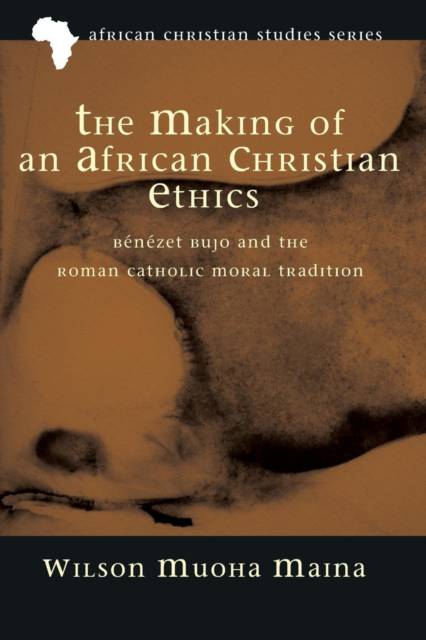
The Making of an African Christian Ethics
Bénézet Bujo and the Roman Catholic Moral Tradition
Wilson Muoha Maina
€ 40,95
+ 81 punten
Uitvoering
Omschrijving
An exploration of the development of a contextualized Roman Catholic moral theology in an African context is warranted in our day. This book is a study of the work of Benezet Bujo, an African moral theologian. An analysis of Bujo's work shows the various aspects of an African Catholic moral theology. Bujo's work is viewed here as critically bridging African moral theology and the development of moral theology in the Catholic Church, especially in the West. An African moral theology in this work builds on the elements of the renewal of moral theology after the Second Vatican Council. The renewal elements reflected in Bujo's work and other African Catholic theologians include, among others, the use of Scripture, the relevance of history, the debate on moral norms, the relevance of social sciences to moral discourse, the theory of natural moral law, and the relation between the theologian and the magisterium. This work, therefore, locates the theology of Bujo in the development of moral theology after the Second Vatican Council. The author establishes a relation between African traditional religions, African history, Christology, natural moral law, moral autonomy debate, the encyclical Veritatis Splendor, and political-liberation theological ethics.
Specificaties
Betrokkenen
- Auteur(s):
- Uitgeverij:
Inhoud
- Aantal bladzijden:
- 210
- Taal:
- Engels
- Reeks:
- Reeksnummer:
- nr. 11
Eigenschappen
- Productcode (EAN):
- 9781498279390
- Verschijningsdatum:
- 13/07/2016
- Uitvoering:
- Paperback
- Formaat:
- Trade paperback (VS)
- Afmetingen:
- 152 mm x 226 mm
- Gewicht:
- 340 g


Alleen bij Standaard Boekhandel
+ 81 punten op je klantenkaart van Standaard Boekhandel
Cadeau

AANGERADEN


Beoordelingen
We publiceren alleen reviews die voldoen aan de voorwaarden voor reviews. Bekijk onze voorwaarden voor reviews.