


- Afhalen na 1 uur in een winkel met voorraad
- Gratis thuislevering in België vanaf € 30
- Ruim aanbod met 7 miljoen producten
- Afhalen na 1 uur in een winkel met voorraad
- Gratis thuislevering in België vanaf € 30
- Ruim aanbod met 7 miljoen producten





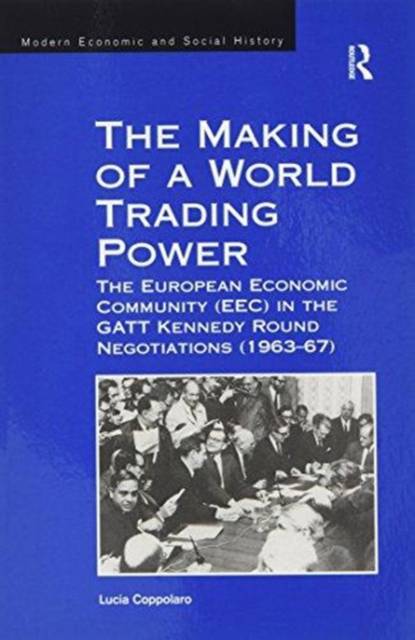
The Making of a World Trading Power
The European Economic Community (Eec) in the GATT Kennedy Round Negotiations (1963-67)
Lucia Coppolaro
€ 112,95
+ 225 punten
Uitvoering
Omschrijving
Following its foundation in 1957, the European Economic Community set about establishing itself as a major player on the world stage. One of the first key arenas in which the new organisation began to make its presence felt was the GATT negotiations that took place between 1957 and 1972, known as the Kennedy Round. Through a reconstruction of these on-going negotiations, this book charts the emergence of the EEC as a world trading power and the strategies it adopted that were to have a lasting effect upon European trade policies.
Specificaties
Betrokkenen
- Auteur(s):
- Uitgeverij:
Inhoud
- Aantal bladzijden:
- 256
- Taal:
- Engels
- Reeks:
Eigenschappen
- Productcode (EAN):
- 9781138249448
- Verschijningsdatum:
- 11/10/2016
- Uitvoering:
- Paperback
- Formaat:
- Trade paperback (VS)
- Afmetingen:
- 156 mm x 234 mm
- Gewicht:
- 362 g


Alleen bij Standaard Boekhandel
+ 225 punten op je klantenkaart van Standaard Boekhandel
Cadeau

AANGERADEN


Beoordelingen
We publiceren alleen reviews die voldoen aan de voorwaarden voor reviews. Bekijk onze voorwaarden voor reviews.