


- Afhalen na 1 uur in een winkel met voorraad
- Gratis thuislevering in België vanaf € 30
- Ruim aanbod met 7 miljoen producten
- Afhalen na 1 uur in een winkel met voorraad
- Gratis thuislevering in België vanaf € 30
- Ruim aanbod met 7 miljoen producten





Omschrijving
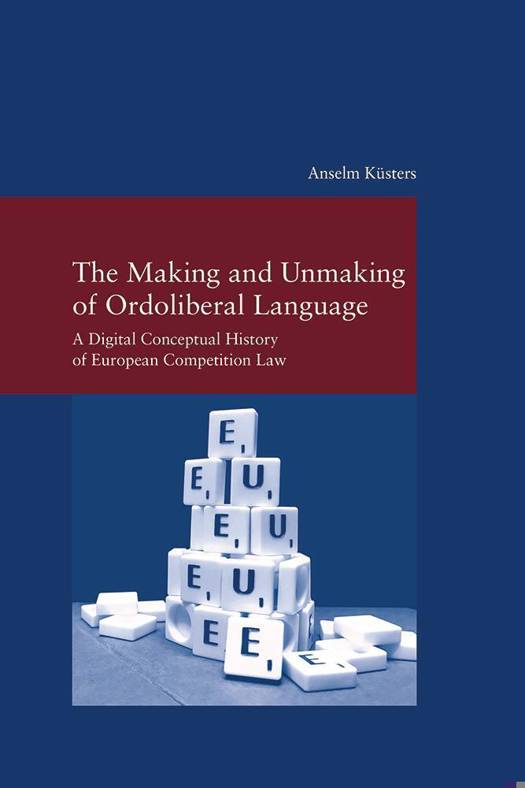
The ordoliberal school of competition thought is a distinct linguistic community whose conceptual and semantic influence extended far beyond Germany and eventually shaped the European legal order. Linguistic misunderstandings still impacted the negotiations of the founding European Treaties, but in the subsequent application of the new rules, the Freiburg School's ordoliberal ideas gained in popularity. In the early 2000s, this ordoliberal language was replaced by neoliberal concepts borrowed from the Chicago School. The study combines archival materials, oral history interviews, case law and Text Mining methods. In doing so, it contributes to the historiography of EU competition law, the post-war history of ordoliberalism, and methodological debates about Digital Humanities.
Specificaties
Betrokkenen
- Auteur(s):
- Uitgeverij:
Inhoud
- Taal:
- Duits
- Reeks:
- Reeksnummer:
- nr. 340
Eigenschappen
- Productcode (EAN):
- 9783465046011
- Verschijningsdatum:
- 18/12/2023
- Uitvoering:
- Paperback
- Afmetingen:
- 212 mm x 37 mm
- Gewicht:
- 1110 g


Alleen bij Standaard Boekhandel
+ 240 punten op je klantenkaart van Standaard Boekhandel
Cadeau

AANGERADEN


Beoordelingen
We publiceren alleen reviews die voldoen aan de voorwaarden voor reviews. Bekijk onze voorwaarden voor reviews.