


- Afhalen na 1 uur in een winkel met voorraad
- Gratis thuislevering in België vanaf € 30
- Ruim aanbod met 7 miljoen producten
- Afhalen na 1 uur in een winkel met voorraad
- Gratis thuislevering in België vanaf € 30
- Ruim aanbod met 7 miljoen producten




Omschrijving
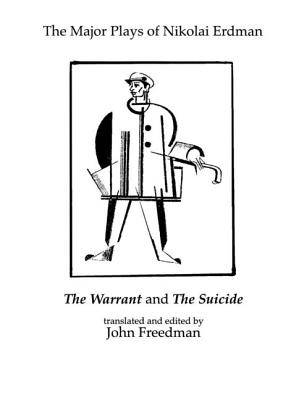
First Published in 1995. Russian Theatre Archive- Volume 1. Newly translated by John Freedman, Erdmans's first biographer, Nikola Erdman's two classic tragicomedies, 'The Warrant' and 'The Suicide', come to life as brilliant, eccentric and eminently performable works for the theatre as well as fascinating documents of the theatrical boom and social upheaval that took place in Russia in the 1920s. Both plays were written expressly for the great Vsevolod Meyerhold, who declared that Erdman was the heir to the rich Russian comic dramatic tradition established by Nikolai Gogol and Alexander Sukhovo-Kobylin. Meyerhold's staging of The Warrant in 1925 was one of the most innovative and successful. His attempt to stage The Suicide in 1932 eas banned by Stalin. After being exiled to Siberia in 1933, Erdman never again wrote a full-length play. But, in The Warrant and The Suicide, Erdman's themes- the failure of language as a reliable tool of communication, the degeneration of the human element brought on by the onslaught of mass culture, and the extraordinary, if not always heroic, resilience of the individual human being- remain as contemporary and universal as ever.
Specificaties
Betrokkenen
- Auteur(s):
- Uitgeverij:
Inhoud
- Aantal bladzijden:
- 196
- Taal:
- Engels
- Reeks:
- Reeksnummer:
- nr. 1
Eigenschappen
- Productcode (EAN):
- 9783718655830
- Verschijningsdatum:
- 29/09/1995
- Uitvoering:
- Paperback
- Formaat:
- Trade paperback (VS)
- Afmetingen:
- 189 mm x 246 mm
- Gewicht:
- 358 g


Alleen bij Standaard Boekhandel
+ 204 punten op je klantenkaart van Standaard Boekhandel
CADEAU


Beoordelingen
We publiceren alleen reviews die voldoen aan de voorwaarden voor reviews. Bekijk onze voorwaarden voor reviews.