


- Afhalen na 1 uur in een winkel met voorraad
- Gratis thuislevering in België vanaf € 30
- Ruim aanbod met 7 miljoen producten
- Afhalen na 1 uur in een winkel met voorraad
- Gratis thuislevering in België vanaf € 30
- Ruim aanbod met 7 miljoen producten





€ 0,49
Omschrijving
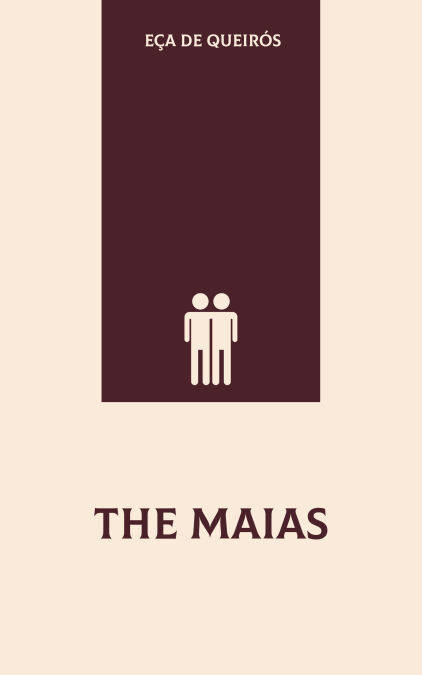
The Maias is a sweeping and masterfully crafted novel by Eça de Queirós, widely regarded as one of the greatest achievements of Portuguese literature. Rich in psychological depth and social insight, this powerful work paints a vivid portrait of aristocratic life, intellectual ambition, and moral decline in 19th-century Lisbon.
At the center of the story is the Maia family, whose fortunes and failures unfold across generations. The narrative follows Carlos da Maia, a cultivated and idealistic young doctor raised with high hopes by his grandfather, Afonso da Maia—a man of integrity and old-world values. Gifted with intelligence, charm, and opportunity, Carlos seems destined for greatness. Yet as he becomes immersed in the refined but idle world of Lisbon's elite society, ambition slowly gives way to distraction, indulgence, and romantic entanglement.
The emotional core of the novel lies in Carlos's passionate and ultimately tragic love affair with Maria Eduarda, a woman whose mysterious past gradually unravels in ways that profoundly alter both their lives. Through their relationship, Queirós explores themes of destiny, illusion, and the unintended consequences of desire.
Beyond its central drama, The Maias serves as a sharp critique of a stagnant and self-satisfied upper class. With irony and precision, Queirós exposes the superficiality, political incompetence, and cultural complacency that he believed hindered national progress. Lavish dinners, intellectual debates, and elegant salons mask a deeper moral inertia that permeates the social fabric.
Balancing satire with tragedy, the novel captures the tension between hope and disillusionment. It is both an intimate story of love and family and a broader reflection on a society struggling with modernity and decline. Queirós' elegant prose and keen observation bring Lisbon vividly to life, transforming the city into a living presence within the narrative.
Grand in scope yet deeply personal, The Maias is a timeless exploration of ambition, passion, and the fragile illusions that shape human lives. It stands as a monumental work of realism and a profound meditation on family legacy, societal change, and the cost of wasted potential.
At the center of the story is the Maia family, whose fortunes and failures unfold across generations. The narrative follows Carlos da Maia, a cultivated and idealistic young doctor raised with high hopes by his grandfather, Afonso da Maia—a man of integrity and old-world values. Gifted with intelligence, charm, and opportunity, Carlos seems destined for greatness. Yet as he becomes immersed in the refined but idle world of Lisbon's elite society, ambition slowly gives way to distraction, indulgence, and romantic entanglement.
The emotional core of the novel lies in Carlos's passionate and ultimately tragic love affair with Maria Eduarda, a woman whose mysterious past gradually unravels in ways that profoundly alter both their lives. Through their relationship, Queirós explores themes of destiny, illusion, and the unintended consequences of desire.
Beyond its central drama, The Maias serves as a sharp critique of a stagnant and self-satisfied upper class. With irony and precision, Queirós exposes the superficiality, political incompetence, and cultural complacency that he believed hindered national progress. Lavish dinners, intellectual debates, and elegant salons mask a deeper moral inertia that permeates the social fabric.
Balancing satire with tragedy, the novel captures the tension between hope and disillusionment. It is both an intimate story of love and family and a broader reflection on a society struggling with modernity and decline. Queirós' elegant prose and keen observation bring Lisbon vividly to life, transforming the city into a living presence within the narrative.
Grand in scope yet deeply personal, The Maias is a timeless exploration of ambition, passion, and the fragile illusions that shape human lives. It stands as a monumental work of realism and a profound meditation on family legacy, societal change, and the cost of wasted potential.
Specificaties
Betrokkenen
- Auteur(s):
- Uitgeverij:
Inhoud
- Aantal bladzijden:
- 683
- Taal:
- Engels
Eigenschappen
- Productcode (EAN):
- 9783062350351
- Verschijningsdatum:
- 1/03/2026
- Uitvoering:
- E-book
- Beveiligd met:
- Digital watermarking
- Formaat:
- ePub


Alleen bij Standaard Boekhandel
Cadeau

AANGERADEN


Beoordelingen
We publiceren alleen reviews die voldoen aan de voorwaarden voor reviews. Bekijk onze voorwaarden voor reviews.