


- Afhalen na 1 uur in een winkel met voorraad
- Gratis thuislevering in België vanaf € 30
- Ruim aanbod met 7 miljoen producten
- Afhalen na 1 uur in een winkel met voorraad
- Gratis thuislevering in België vanaf € 30
- Ruim aanbod met 7 miljoen producten





€ 34,95
+ 69 punten
Uitvoering
Omschrijving
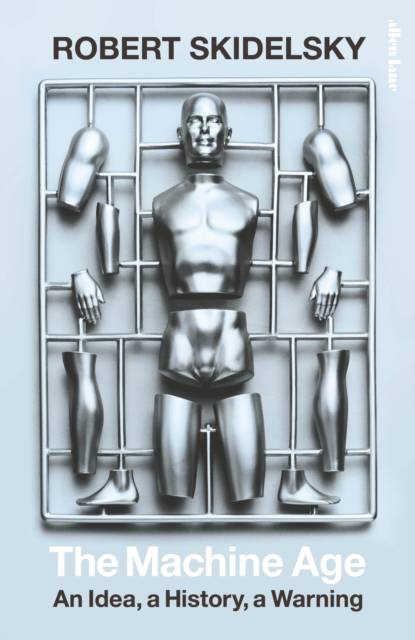
Faith in technological fixes for our problems is waning. Automation, which promised relief from toil, has reactivated the long-standing fear of job redundancy. Information technology, meant to liberate us from traditional authority, is placing unprecedented powers of surveillance and control in the hands of a purely secular Big Brother. And for the first time, artificial intelligence threatens anthropogenic disaster – disaster caused by our own activities. Scientists join imaginative writers in warning us of the fate of Icarus, whose wings melted because he flew too close to the sun.
This book tells the story of our fractured relationship with machines from humanity’s first tools down to the present and into the future. It raises the crucial question of why some parts of the world developed a ‘machine civilisation’ and not others, and traces the interactions between capitalism and technology, and between science and religion, in the making of the modern world.
Taking in the peaks of philosophy and triumphs of science, the foundation of economics and speculations of fiction, Robert Skidelsky embarks on a bold intellectual journey through the evolution of our understanding of technology and what this means for our lives and politics. ‘Unless we understand technology as a system of ideas rather than as a necessity,’ he writes, ‘we will be powerless to choose which technology is best suited to our needs and purposes.’
This book tells the story of our fractured relationship with machines from humanity’s first tools down to the present and into the future. It raises the crucial question of why some parts of the world developed a ‘machine civilisation’ and not others, and traces the interactions between capitalism and technology, and between science and religion, in the making of the modern world.
Taking in the peaks of philosophy and triumphs of science, the foundation of economics and speculations of fiction, Robert Skidelsky embarks on a bold intellectual journey through the evolution of our understanding of technology and what this means for our lives and politics. ‘Unless we understand technology as a system of ideas rather than as a necessity,’ he writes, ‘we will be powerless to choose which technology is best suited to our needs and purposes.’
Specificaties
Betrokkenen
- Auteur(s):
- Uitgeverij:
Inhoud
- Aantal bladzijden:
- 384
- Taal:
- Engels
Eigenschappen
- Productcode (EAN):
- 9780241244616
- Verschijningsdatum:
- 13/11/2023
- Uitvoering:
- Hardcover
- Afmetingen:
- 242 mm x 163 mm
- Gewicht:
- 600 g



Alleen bij Standaard Boekhandel
+ 69 punten op je klantenkaart van Standaard Boekhandel
CADEAU


Beoordelingen
We publiceren alleen reviews die voldoen aan de voorwaarden voor reviews. Bekijk onze voorwaarden voor reviews.