


- Afhalen na 1 uur in een winkel met voorraad
- Gratis thuislevering in België vanaf € 30
- Ruim aanbod met 7 miljoen producten
- Afhalen na 1 uur in een winkel met voorraad
- Gratis thuislevering in België vanaf € 30
- Ruim aanbod met 7 miljoen producten





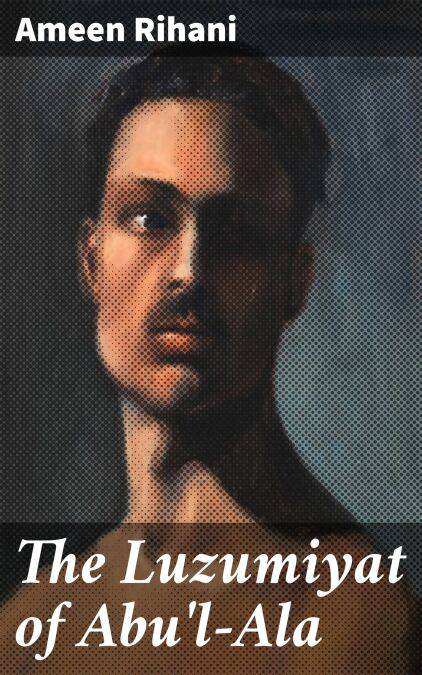
The Luzumiyat of Abu'l-Ala E-BOOK
Exploring Love, Philosophy, and Culture through Arabic Poetry
Ameen Rihani
E-book | Engels
€ 1,99
+ 1 punten
Uitvoering
Omschrijving
In "The Luzumiyat of Abu'l-Ala," Ameen Rihani embarks on a profound exploration of the philosophical and poetic legacy of the famed Arab poet and thinker Abu'l-Ala al-Ma'arri. Written in a distinctive lyrical style, Rihani weaves together an intricate tapestry of literary criticism, personal reflection, and cultural commentary, positioning al-Ma'arri within the context of both the classical Arab literary tradition and the modernist currents of Rihani's own time. Through detailed analysis, Rihani illuminates how al-Ma'arri'Äôs themes of existential inquiry and moral contemplation resonate with contemporary audiences, offering timeless insights into the nature of human experience. Ameen Rihani was a pivotal figure in the Arab Renaissance, often drawing from his diverse cultural background as a Lebanese-American. His own experiences of displacement and identity profoundly influenced his artistic vision and his engagement with literary figures like al-Ma'arri, who grappled with similar themes of individualism and skepticism. Rihani'Äôs dual identity allowed him to bridge cultures, enriching the discourse on modern Arab literature and philosophy. This book is a must-read for anyone interested in the intersections of poetry, philosophy, and cultural identity. Rihani'Äôs depth of understanding enhances al-Ma'arri'Äôs relevance, making this work not only a tribute to a monumental figure in Arabic literature but also an essential read for those seeking to understand the enduring complexities of human thought.
Specificaties
Betrokkenen
- Auteur(s):
- Uitgeverij:
Inhoud
- Aantal bladzijden:
- 29
- Taal:
- Engels
Eigenschappen
- Productcode (EAN):
- 4064066061890
- Verschijningsdatum:
- 7/12/2020
- Uitvoering:
- E-book
- Beveiligd met:
- Digital watermarking
- Formaat:
- ePub


Alleen bij Standaard Boekhandel
+ 1 punten op je klantenkaart van Standaard Boekhandel
CADEAU

AANGERADEN


Beoordelingen
We publiceren alleen reviews die voldoen aan de voorwaarden voor reviews. Bekijk onze voorwaarden voor reviews.