



Bedankt voor het vertrouwen het afgelopen jaar! Om jou te bedanken bieden we GRATIS verzending (in België) aan op alles gedurende de hele maand januari.
- Afhalen na 1 uur in een winkel met voorraad
- In januari gratis thuislevering in België
- Ruim aanbod met 7 miljoen producten
Bedankt voor het vertrouwen het afgelopen jaar! Om jou te bedanken bieden we GRATIS verzending (in België) aan op alles gedurende de hele maand januari.
- Afhalen na 1 uur in een winkel met voorraad
- In januari gratis thuislevering in België
- Ruim aanbod met 7 miljoen producten





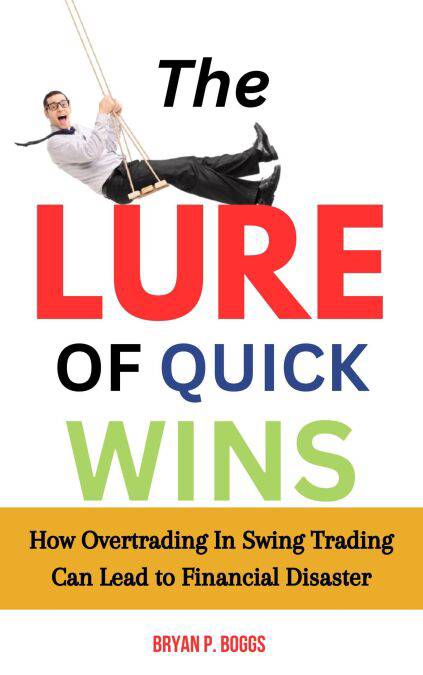
The Lure of Quick Wins: How Overtrading in Swing Trading Can Lead to Financial Disaster E-BOOK
Bryan P. Boggs
E-book | Engels
€ 17,49
+ 17 punten
Omschrijving
Swing trading often appeals to individuals seeking to capitalize on short-term price movements in the stock market. The promise of rapid gains creates an intoxicating allure, drawing traders into a cycle of high-stakes decision-making. However, this environment, driven by adrenaline and impulsivity, often obscures the darker reality of overtrading—a behavior that systematically undermines financial stability and long-term success.
Overtrading in swing trading occurs when traders, spurred by a fixation on quick wins, enter and exit positions excessively, often without sufficient strategy or analysis. The phenomenon typically stems from emotional responses rather than rational decisions. Greed, fear, and the compulsion to recover losses lead traders down a path of self-sabotage. These psychological triggers drive unnecessary trades, inflating transaction costs and eroding potential profits.
One of the primary pitfalls of overtrading is the illusion of control. Traders often believe they can outsmart the market by engaging in a high frequency of trades, ignoring the inherent randomness of price movements. This mindset not only increases exposure to volatility but also magnifies the impact of market noise—the irrelevant, short-term fluctuations that obscure meaningful trends.
Compounding the issue is the significant impact of transaction fees and commissions. Each trade incurs a cost, and when multiplied across a series of unnecessary transactions, these fees can quickly accumulate, eating into profits. Furthermore, the tax implications of frequent trading often result in additional financial burdens. Short-term capital gains taxes, which are typically higher than long-term rates, further diminish net earnings, leaving traders with a smaller share of their hard-earned profits.
Emotional burnout is another critical consequence of overtrading. The constant monitoring of markets, coupled with the pressure to make split-second decisions, takes a toll on mental health. Over time, this relentless pace can lead to cognitive fatigue, impairing a trader's ability to make sound judgments. The resulting mistakes often perpetuate a cycle of overtrading, as traders attempt to compensate for losses or regain control over their performance.
Moreover, overtrading disrupts the delicate balance between risk and reward that underpins successful swing trading. Effective trading strategies are built on careful analysis, patience, and a willingness to wait for high-probability setups. By contrast, overtrading prioritizes quantity over quality, diluting the effectiveness of each trade. This approach not only reduces the likelihood of consistent profitability but also exposes traders to heightened risks, as poorly considered trades often result in substantial losses.
The psychological ramifications of overtrading extend beyond the financial sphere. Constant exposure to stress and the disappointment of unrealized gains create a sense of inadequacy and frustration. Traders may begin to question their competence, leading to a decline in self-confidence. This erosion of mental resilience can have far-reaching effects, influencing not only trading performance but also personal relationships and overall well-being. Another overlooked aspect of overtrading is its impact on market behavior. Excessive trading activity contributes to market inefficiencies, creating artificial demand and supply dynamics that distort price movements.
The allure of quick wins in swing trading is undeniable, but it often comes at a steep cost. Overtrading, driven by emotional impulses and unrealistic expectations, undermines both financial stability and personal well-being. By understanding the factors that contribute to this behavior and its far-reaching consequences, traders can make informed decisions that align with their long-term goals.
Specificaties
Betrokkenen
- Auteur(s):
- Uitgeverij:
Inhoud
- Taal:
- Engels
Eigenschappen
- Productcode (EAN):
- 9798230464921
- Verschijningsdatum:
- 31/12/2024
- Uitvoering:
- E-book
- Formaat:
- ePub


Alleen bij Standaard Boekhandel
+ 17 punten op je klantenkaart van Standaard Boekhandel
SOLDEN


Beoordelingen
We publiceren alleen reviews die voldoen aan de voorwaarden voor reviews. Bekijk onze voorwaarden voor reviews.