


- Afhalen na 1 uur in een winkel met voorraad
- Gratis thuislevering in België vanaf € 30
- Ruim aanbod met 7 miljoen producten
- Afhalen na 1 uur in een winkel met voorraad
- Gratis thuislevering in België vanaf € 30
- Ruim aanbod met 7 miljoen producten





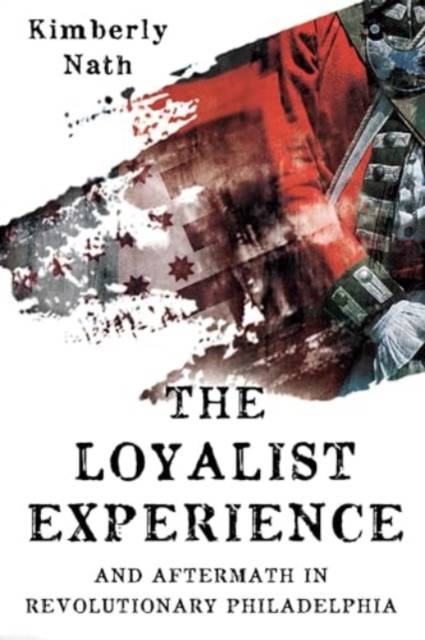
The Loyalist Experience and Aftermath in Revolutionary Philadelphia
Kimberly Nath
Hardcover | Engels
€ 45,95
+ 91 punten
Omschrijving
"This study effectively illuminates the Revolution as both a civil war and a social upheaval, revealing how questions of belonging, property, and identity shaped life in one of the new nation's most divided cities. Elegantly written and well researched, Nath's book adds to our understanding of loyalty, loss, and resilience in revolutionary America." -- Chloe Northrop, Tarrant County College
The city of Philadelphia was occupied for nine months by the British during the American Revolution, and had a large loyalist population. The newly independent Pennsylvania legislature passed a series of laws early in the revolution which identified, condemned, and confiscated all property from loyalists in the state.
Each loyalist, however, experienced different fates and persecution under the law and in the community. For example, some loyalists fled the city of Philadelphia and never returned, such as the Rankin and Allen families. They left their houses, material possessions and lives behind to start over in the British Empire. Loyalist Matthias Aspden lost everything and spent twenty years following the revolution attempting to return to his beloved city of Philadelphia, but he never succeeded. Others, like Samuel and Rebecca Shoemaker, attempted to subvert the law, maintain ownership of their property by way of their daughters, and did in fact reintegrate at the conclusion of the war. The Fergusons represent another story where Elizabeth Graeme Ferguson seized her husband's absence as a moment for independence and sought sole ownership of their property.
Through five stories and chapters, the richness of the loyalist experience in Philadelphia will be revealed, adding new narratives to the history of the American Revolution.
The city of Philadelphia was occupied for nine months by the British during the American Revolution, and had a large loyalist population. The newly independent Pennsylvania legislature passed a series of laws early in the revolution which identified, condemned, and confiscated all property from loyalists in the state.
Each loyalist, however, experienced different fates and persecution under the law and in the community. For example, some loyalists fled the city of Philadelphia and never returned, such as the Rankin and Allen families. They left their houses, material possessions and lives behind to start over in the British Empire. Loyalist Matthias Aspden lost everything and spent twenty years following the revolution attempting to return to his beloved city of Philadelphia, but he never succeeded. Others, like Samuel and Rebecca Shoemaker, attempted to subvert the law, maintain ownership of their property by way of their daughters, and did in fact reintegrate at the conclusion of the war. The Fergusons represent another story where Elizabeth Graeme Ferguson seized her husband's absence as a moment for independence and sought sole ownership of their property.
Through five stories and chapters, the richness of the loyalist experience in Philadelphia will be revealed, adding new narratives to the history of the American Revolution.
Specificaties
Betrokkenen
- Auteur(s):
- Uitgeverij:
Inhoud
- Aantal bladzijden:
- 208
- Taal:
- Engels
Eigenschappen
- Productcode (EAN):
- 9781955041102
- Verschijningsdatum:
- 31/03/2026
- Uitvoering:
- Hardcover
- Formaat:
- Genaaid
- Afmetingen:
- 156 mm x 230 mm
- Gewicht:
- 317 g


Alleen bij Standaard Boekhandel
+ 91 punten op je klantenkaart van Standaard Boekhandel
CADEAU

AANGERADEN


Beoordelingen
We publiceren alleen reviews die voldoen aan de voorwaarden voor reviews. Bekijk onze voorwaarden voor reviews.