


- Afhalen na 1 uur in een winkel met voorraad
- Gratis thuislevering in België vanaf € 30
- Ruim aanbod met 7 miljoen producten
- Afhalen na 1 uur in een winkel met voorraad
- Gratis thuislevering in België vanaf € 30
- Ruim aanbod met 7 miljoen producten





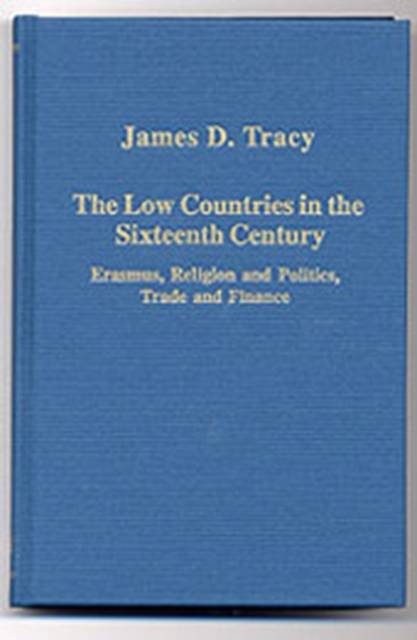
The Low Countries in the Sixteenth Century
Erasmus, Religion and Politics, Trade and Finance
James D Tracy
€ 55,45
+ 110 punten
Omschrijving
In the 16th century, the population of the Low Countries (modern Belgium and The Netherlands), the most urbanized and best educated in Transalpine Europe, provided not just a ready audience for ideas of religious reform, but a sophisticated political framework for the airing of the great debates of the age - not to mention ground-breaking innovations in trade and finance. The present volume reproduces fourteen essays in which James Tracy studies each of these different aspects of Low Countries culture. Part I focuses on the educational and religious reform proposals of a native son, Erasmus of Rotterdam; Part II looks at the conflicts of the Reformation era, mainly from the perspective of the province of Holland; and Part III examines economic and fiscal development in light of the ongoing tug-of-war between government centralization and the defense of local privilege.
Specificaties
Betrokkenen
- Auteur(s):
- Uitgeverij:
Inhoud
- Aantal bladzijden:
- 360
- Taal:
- Engels
- Reeks:
Eigenschappen
- Productcode (EAN):
- 9780860789550
- Verschijningsdatum:
- 10/03/2005
- Uitvoering:
- Hardcover
- Formaat:
- Genaaid
- Afmetingen:
- 149 mm x 224 mm
- Gewicht:
- 639 g


Alleen bij Standaard Boekhandel
+ 110 punten op je klantenkaart van Standaard Boekhandel
Cadeau

AANGERADEN


Beoordelingen
We publiceren alleen reviews die voldoen aan de voorwaarden voor reviews. Bekijk onze voorwaarden voor reviews.