


- Afhalen na 1 uur in een winkel met voorraad
- Gratis thuislevering in België vanaf € 30
- Ruim aanbod met 7 miljoen producten
- Afhalen na 1 uur in een winkel met voorraad
- Gratis thuislevering in België vanaf € 30
- Ruim aanbod met 7 miljoen producten





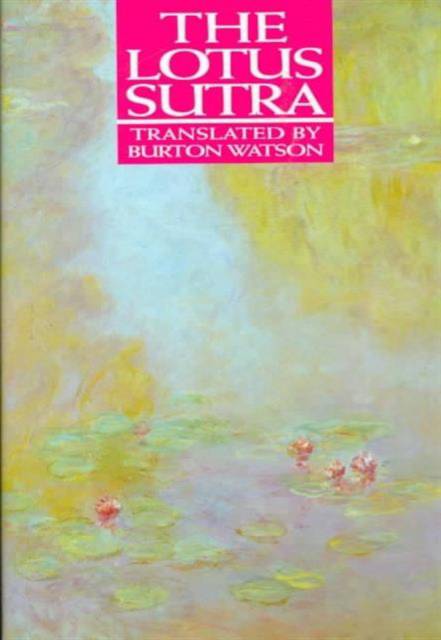
The Lotus Sutra
€ 186,95
+ 373 punten
Omschrijving
Since its appearance in China in the third century, the Lotus Sutra has been regarded as one of the most illustrious scriptures in the Mahayana Buddhist canon. The object of intense veneration among generations of Buddhists in China, Korea, Japan, and other parts of East Asia, it has attracted more commentary than any other Buddhist scripture and has had a profound impact on the great works of Japanese and Chinese literature. Conceived as a drama of colossal proportions, the text takes on new meaning in Burton Watson's translation. Depicting events in a cosmic world that transcends ordinary concepts of time and space, the Lotus Sutra presents abstract religious concepts in concrete terms and affirms that there is a single path to enlightenment - that of the bodhisattva - and that the Buddha is not to be delimited in time and space. Filled with striking imagery. memorable parables, and countless revelations concerning the universal accessibility of Buddhahood, the Lotus Sutra has brought comfort and wisdom to devotees over the centuries and stands as a pivotal text in world literature. As Watson notes, "The Lotus Sutra is not so much an integral work as a collection of religious texts, an anthology of sermons, stories and devotional manuals, some speaking with particular force to persons of one type or in one set of circumstances, some to those of another type or in other circumstances. This is no doubt one reason why it has had such broad and lasting appeal over the ages and has permeated so deeply into the cultures that have been exposed to it."
Specificaties
Betrokkenen
- Vertaler(s):
- Uitgeverij:
Inhoud
- Aantal bladzijden:
- 390
- Taal:
- Engels
- Reeks:
Eigenschappen
- Productcode (EAN):
- 9780231081603
- Verschijningsdatum:
- 8/07/1993
- Uitvoering:
- Hardcover
- Formaat:
- Genaaid
- Afmetingen:
- 160 mm x 237 mm
- Gewicht:
- 635 g


Alleen bij Standaard Boekhandel
+ 373 punten op je klantenkaart van Standaard Boekhandel
Cadeau

AANGERADEN


Beoordelingen
We publiceren alleen reviews die voldoen aan de voorwaarden voor reviews. Bekijk onze voorwaarden voor reviews.