


- Afhalen na 1 uur in een winkel met voorraad
- Gratis thuislevering in België vanaf € 30
- Ruim aanbod met 7 miljoen producten
- Afhalen na 1 uur in een winkel met voorraad
- Gratis thuislevering in België vanaf € 30
- Ruim aanbod met 7 miljoen producten





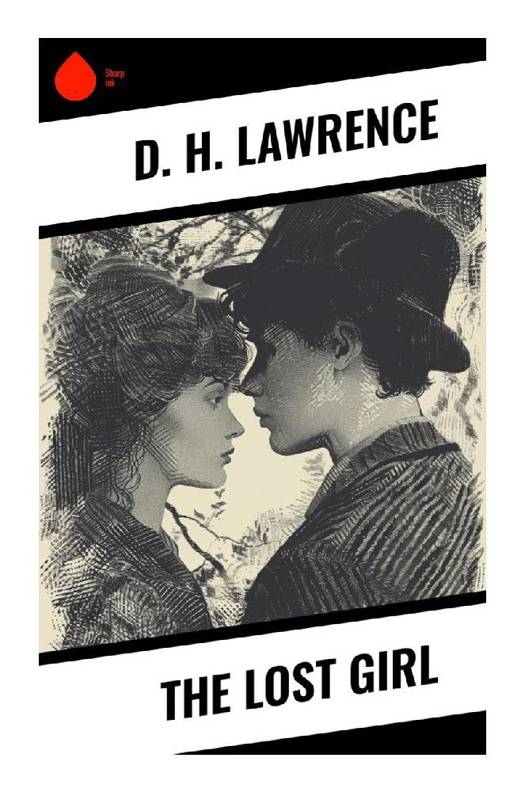
The Lost Girl
Female Self-Discovery, Bohemian Theatre, and Rebellion in Industrial England and Italy
D. H. Lawrence
Paperback | Engels
€ 13,95
+ 27 punten
Omschrijving
The Lost Girl traces Alvina Houghton, the restless daughter of a Midlands shopkeeper, as she moves from provincial confinement into the precarious freedom of travelling theatre and an unconventional life with the Italian Ciccio. Written in Lawrence's supple realist mode, the novel combines social comedy, psychological inquiry, and symbolic contrasts between industrial England and Mediterranean vitality. Its place in early twentieth-century fiction lies in its challenge to respectable femininity, class expectation, and inherited moral forms. D. H. Lawrence's own background deeply informs the book's imaginative tensions. Born in the Nottinghamshire coalfields, he understood the constrictions of provincial English life, the pressures of class aspiration, and the emotional costs of industrial modernity. His years abroad with Frieda Lawrence, especially in Italy, sharpened his opposition between mechanized English society and more instinctive forms of being. The novel's 1920 James Tait Black Memorial Prize recognition reflects its contemporary force. Readers interested in Lawrence's major themes-sexual independence, spiritual unease, exile, and rebellion against social deadness-will find The Lost Girl especially rewarding. It is a searching, sometimes unsettling novel, best approached as both a narrative of female self-discovery and a critique of modern England's narrowing possibilities.
Specificaties
Betrokkenen
- Auteur(s):
- Uitgeverij:
Inhoud
- Taal:
- Engels
Eigenschappen
- Productcode (EAN):
- 9788028372699
- Uitvoering:
- Paperback
- Afmetingen:
- 152 mm x 229 mm
- Gewicht:
- 301 g


Alleen bij Standaard Boekhandel
+ 27 punten op je klantenkaart van Standaard Boekhandel
CADEAU

AANGERADEN


Beoordelingen
We publiceren alleen reviews die voldoen aan de voorwaarden voor reviews. Bekijk onze voorwaarden voor reviews.