


- Afhalen na 1 uur in een winkel met voorraad
- Gratis thuislevering in België vanaf € 30
- Ruim aanbod met 7 miljoen producten
- Afhalen na 1 uur in een winkel met voorraad
- Gratis thuislevering in België vanaf € 30
- Ruim aanbod met 7 miljoen producten





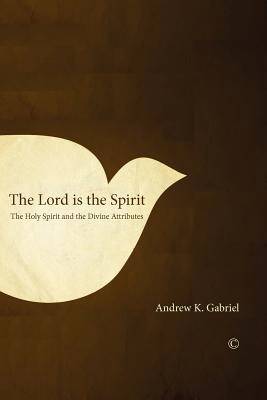
The Lord Is the Spirit
The Holy Spirit and the Divine Attributes
Andrew K Gabriel
Paperback | Engels
€ 59,95
+ 119 punten
Uitvoering
Omschrijving
The Lord is the Spirit (2 Cor 3:17) . . . and yet one might be excused for thinking otherwise when reading studies on God's attributes - omnipotence, omniscience, omnipresence, immutability, impassibility, and the like. Although Christians throughout theages have defended the deity of the Holy Spirit, theologians have not adequately taken the doctrine of the Holy Spirit into account when formulating a theology of the divine attributes. The resulting understandings of God fall short of being fully Trinitarian. Gabriel builds on contemporary Trinitarian theology by advocating for the integration of insights from pneumatology into the doctrine of God's attributes. Three case studies are presented: impassibility, immutability, and omnipotence. Gabriel writes from an evangelical and Pentecostal vantage point as he engages in ecumenical dialogue with a wide spectrum of historical and contemporary theological voices.
Specificaties
Betrokkenen
- Auteur(s):
- Uitgeverij:
Inhoud
- Aantal bladzijden:
- 246
- Taal:
- Engels
Eigenschappen
- Productcode (EAN):
- 9780227680315
- Verschijningsdatum:
- 31/05/2012
- Uitvoering:
- Paperback
- Formaat:
- Trade paperback (VS)
- Afmetingen:
- 152 mm x 229 mm
- Gewicht:
- 335 g


Alleen bij Standaard Boekhandel
+ 119 punten op je klantenkaart van Standaard Boekhandel
CADEAU


Beoordelingen
We publiceren alleen reviews die voldoen aan de voorwaarden voor reviews. Bekijk onze voorwaarden voor reviews.