


- Afhalen na 1 uur in een winkel met voorraad
- Gratis thuislevering in België vanaf € 30
- Ruim aanbod met 7 miljoen producten
- Afhalen na 1 uur in een winkel met voorraad
- Gratis thuislevering in België vanaf € 30
- Ruim aanbod met 7 miljoen producten





€ 19,00
+ 19 punten
Uitvoering
Omschrijving
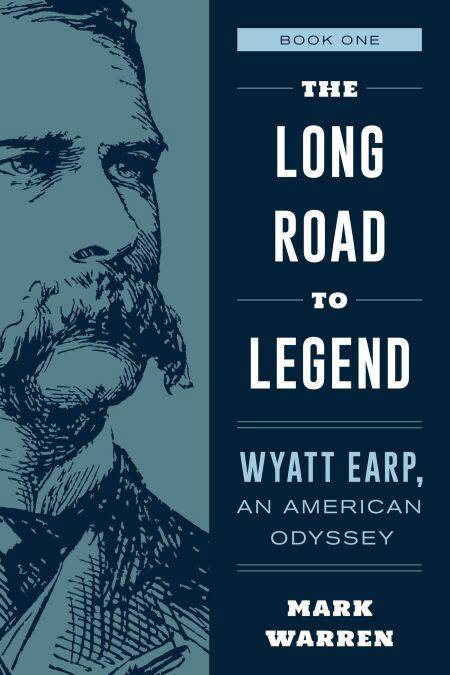
Every story has its beginning. Every great man starts as a boy. Every boy must stumble.
In the years following the Civil War an unsophisticated Iowa farm boy feels the inner fire of ambition but struggles to find a direction that matches his rough-hewn temperament. Because of his physicality, confidence, and a willingness to exercise deliberate courage, he will eventually find his place at the margin of respectability and be admired by his peers. But first he has some tough dues to pay. His name is Wyatt Earp.
In his young adult years Earp was many things—farmer, wagon train hunter, freight hauler, stage driver, railroad wrangler, husband, constable, wood splitter, accused horse thief, brothel bouncer, buffalo hunter, gambler, and lawman—most of this in the "new" and raw land of America's untapped West. The possibilities seemed endless for Wyatt, but history remembers him as a peace officer, a role he never wanted but that fate forced upon him. He was that good at it. His name will always be spoken anytime that a conversation arises about justice vs. law and order . . . and how those American commodities do not always balance on the scales of a courtroom bench.
In the years following the Civil War an unsophisticated Iowa farm boy feels the inner fire of ambition but struggles to find a direction that matches his rough-hewn temperament. Because of his physicality, confidence, and a willingness to exercise deliberate courage, he will eventually find his place at the margin of respectability and be admired by his peers. But first he has some tough dues to pay. His name is Wyatt Earp.
In his young adult years Earp was many things—farmer, wagon train hunter, freight hauler, stage driver, railroad wrangler, husband, constable, wood splitter, accused horse thief, brothel bouncer, buffalo hunter, gambler, and lawman—most of this in the "new" and raw land of America's untapped West. The possibilities seemed endless for Wyatt, but history remembers him as a peace officer, a role he never wanted but that fate forced upon him. He was that good at it. His name will always be spoken anytime that a conversation arises about justice vs. law and order . . . and how those American commodities do not always balance on the scales of a courtroom bench.
Specificaties
Betrokkenen
- Auteur(s):
- Uitgeverij:
Inhoud
- Aantal bladzijden:
- 272
- Taal:
- Engels
Eigenschappen
- Productcode (EAN):
- 9781493053407
- Verschijningsdatum:
- 31/07/2021
- Uitvoering:
- E-book
- Beveiligd met:
- Adobe DRM
- Formaat:
- ePub


Alleen bij Standaard Boekhandel
+ 19 punten op je klantenkaart van Standaard Boekhandel
Cadeau

AANGERADEN


Beoordelingen
We publiceren alleen reviews die voldoen aan de voorwaarden voor reviews. Bekijk onze voorwaarden voor reviews.