


- Afhalen na 1 uur in een winkel met voorraad
- Gratis thuislevering in België vanaf € 30
- Ruim aanbod met 7 miljoen producten
- Afhalen na 1 uur in een winkel met voorraad
- Gratis thuislevering in België vanaf € 30
- Ruim aanbod met 7 miljoen producten





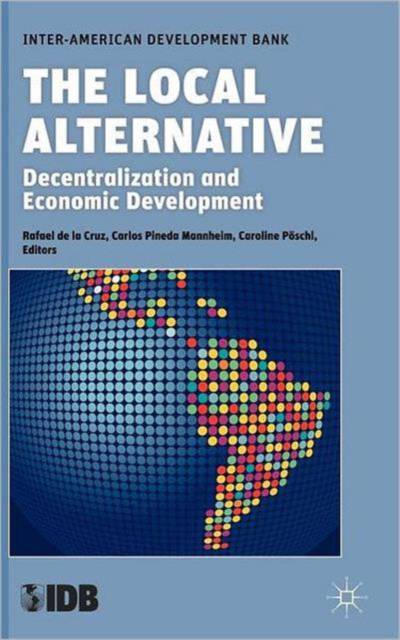
The Local Alternative
Decentralization and Economic Development
€ 83,95
+ 167 punten
Omschrijving
Decentralization in Latin America and the Caribbean has changed the region's local development model. More resources and decision-making powers are being transferred from central governments to the local level. This new political, administrative, and fiscal landscape is creating new challenges and opportunities for subnational governments and for local economic development in the region. The Local Alternative offers a series of experiences, reflections, and lessons on how the new, decentralized institutional framework influences diverse aspects of the economic development processes at the local level. The book's chapters-written by a variety of actors ranging from experts in international organizations to policymakers at the national and subnational levels-highlight, among other experiences, local management within a context of greater autonomy, experiments with different subnational transfer and financing systems, and alternatives for stimulating local competitiveness and citizen participation.
Specificaties
Betrokkenen
- Uitgeverij:
Inhoud
- Aantal bladzijden:
- 304
- Taal:
- Engels
- Reeks:
Eigenschappen
- Productcode (EAN):
- 9780230111752
- Verschijningsdatum:
- 15/07/2011
- Uitvoering:
- Hardcover
- Formaat:
- Genaaid
- Afmetingen:
- 152 mm x 236 mm
- Gewicht:
- 589 g

Alleen bij Standaard Boekhandel
+ 167 punten op je klantenkaart van Standaard Boekhandel
Cadeau

AANGERADEN


Beoordelingen
We publiceren alleen reviews die voldoen aan de voorwaarden voor reviews. Bekijk onze voorwaarden voor reviews.