


- Afhalen na 1 uur in een winkel met voorraad
- Gratis thuislevering in België vanaf € 30
- Ruim aanbod met 7 miljoen producten
- Afhalen na 1 uur in een winkel met voorraad
- Gratis thuislevering in België vanaf € 30
- Ruim aanbod met 7 miljoen producten





€ 23,95
+ 47 punten
Omschrijving
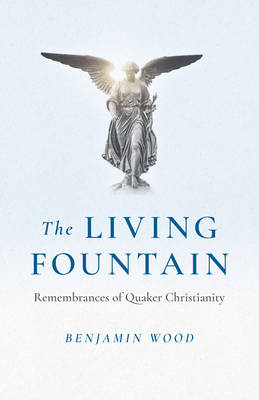
In the second decade of the twenty-first century, Quakers are increasingly divided over matters of theology, religious belonging, and the status of Friends' Christian past. Recent controversies over Theism, Non-Theism and Universalism have highlighted deep-rooted transformations of Quaker self-understanding. In contrast to earlier decades, many contemporary Quakers hanker after an intensely inclusive community, unhampered by the particulars of Christian theology. Many British Friends no-longer see the Quaker movement as an expression of the Gospel nor a manifestation of the Universal Church. What might Friends be missing by re-imagining Quakerism in these resolutely post-Christian terms? Author Benjamin Wood argues that, far from limiting the bounds of Quaker identity, a selective return to Quakerism's seventeenth-century roots can restore to modern Liberal Friends a shared story capable of deepening their spiritual life and worship-practice. Based neither on doctrinal agreement nor inflexible religious borders, the Quaker narrative recovered in The Living Fountain: Remembrances of Quaker Christianity is drawn together by sacred experiments in mutual love and enduring hope. Through a series of extended reflections on God, Jesus, and the language of salvation, Wood seeks to uncover a dynamic faith ncommitted to universal healing, reconciliation, and the crossing of religious and cultural boundaries. At the centre of this retrieval is the insistence that the God revealed in Quaker worship cherishes our differences and delights in our diversity.
Specificaties
Betrokkenen
- Auteur(s):
- Uitgeverij:
Inhoud
- Aantal bladzijden:
- 208
- Taal:
- Engels
Eigenschappen
- Productcode (EAN):
- 9781803412337
- Verschijningsdatum:
- 1/06/2023
- Uitvoering:
- Paperback
- Formaat:
- Trade paperback (VS)
- Afmetingen:
- 137 mm x 213 mm
- Gewicht:
- 217 g


Alleen bij Standaard Boekhandel
+ 47 punten op je klantenkaart van Standaard Boekhandel
Cadeau

AANGERADEN


Beoordelingen
We publiceren alleen reviews die voldoen aan de voorwaarden voor reviews. Bekijk onze voorwaarden voor reviews.