


- Afhalen na 1 uur in een winkel met voorraad
- Gratis thuislevering in België vanaf € 30
- Ruim aanbod met 7 miljoen producten
- Afhalen na 1 uur in een winkel met voorraad
- Gratis thuislevering in België vanaf € 30
- Ruim aanbod met 7 miljoen producten




€ 6,93
+ 6 punten
Omschrijving
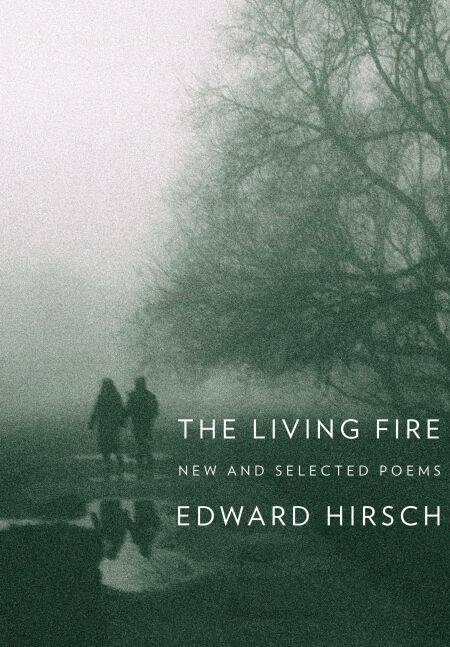
A rich and significant collection of more than one hundred poems, drawn from a lifetime of “wild gratitude” in poetry.
In poems chronicling insomnia (“the blue-rimmed edge / of outer dark, those crossroads / where we meet the dead”), art and culture (poems on Edward Hopper and Paul Celan, love poems in the voices of Baudelaire and Gertrude Stein, a meditation on two suitcases of children’s drawings that came out of the Terezin concentration camp), and his own experience, including the powerful, frank self-examinations in his more recent work, Edward Hirsch displays stunning range and quality. Repeatedly confronting the darkness, his own sense of godlessness (“Forgive me, faith, for never having any”), he also struggles with the unlikely presence of the divine, the power of art to redeem human transience, and the complexity of relationships. Throughout the collection, his own life trajectory enriches the poems; he is the “skinny, long-beaked boy / who perched in the branches of the old branch library,” as well as the passionate middle-aged man who tells his lover, “I wish I could paint you— / . . . / I need a brush for your hard angles / and ferocious blues and reds. / . . . / I wish I could paint you / from the waist down.”
Grieving for the losses occasioned by our mortality, Hirsch’s ultimate impulse as a poet is to praise—to wreathe himself, as he writes, in “the living fire” that burns with a ferocious intensity.
In poems chronicling insomnia (“the blue-rimmed edge / of outer dark, those crossroads / where we meet the dead”), art and culture (poems on Edward Hopper and Paul Celan, love poems in the voices of Baudelaire and Gertrude Stein, a meditation on two suitcases of children’s drawings that came out of the Terezin concentration camp), and his own experience, including the powerful, frank self-examinations in his more recent work, Edward Hirsch displays stunning range and quality. Repeatedly confronting the darkness, his own sense of godlessness (“Forgive me, faith, for never having any”), he also struggles with the unlikely presence of the divine, the power of art to redeem human transience, and the complexity of relationships. Throughout the collection, his own life trajectory enriches the poems; he is the “skinny, long-beaked boy / who perched in the branches of the old branch library,” as well as the passionate middle-aged man who tells his lover, “I wish I could paint you— / . . . / I need a brush for your hard angles / and ferocious blues and reds. / . . . / I wish I could paint you / from the waist down.”
Grieving for the losses occasioned by our mortality, Hirsch’s ultimate impulse as a poet is to praise—to wreathe himself, as he writes, in “the living fire” that burns with a ferocious intensity.
Specificaties
Betrokkenen
- Auteur(s):
- Uitgeverij:
Inhoud
- Aantal bladzijden:
- 192
- Taal:
- Engels
Eigenschappen
- Productcode (EAN):
- 9780307701336
- Verschijningsdatum:
- 19/09/2011
- Uitvoering:
- E-book
- Beveiligd met:
- Adobe DRM
- Formaat:
- ePub


Alleen bij Standaard Boekhandel
+ 6 punten op je klantenkaart van Standaard Boekhandel
Cadeau

AANGERADEN


Beoordelingen
We publiceren alleen reviews die voldoen aan de voorwaarden voor reviews. Bekijk onze voorwaarden voor reviews.