


- Afhalen na 1 uur in een winkel met voorraad
- Gratis thuislevering in België vanaf € 30
- Ruim aanbod met 7 miljoen producten
- Afhalen na 1 uur in een winkel met voorraad
- Gratis thuislevering in België vanaf € 30
- Ruim aanbod met 7 miljoen producten





€ 209,45
+ 418 punten
Omschrijving
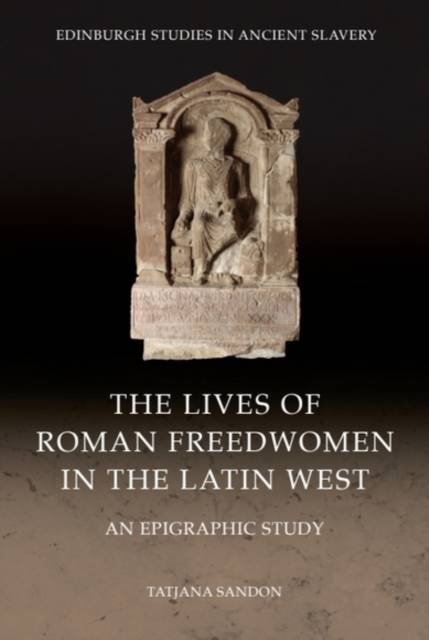
The book investigates the lives of libertae, i.e. female ex-slaves, in the western part of the Roman Empire, by analysing the inscriptional evidence left behind by these women and those close to them. The study considers the freedwomen both inside and outside the domestic environment, looking at libertae not only as former slaves, but also as wives and mothers, workers, labourers, service providers and professionals, besides their wider roles as members of their communities. The innovative aspect of this study is the choice of rigorously giving centre stage to epigraphic documents, rather than the well-known literary texts. This approach is essential to foreground the freedwomen's point of view, in place of the perspective of the elite male authors that has however hitherto been given priority in the modern discussion of Roman freedpersons. The analysed sample, nearly 10,000 inscriptions, includes texts from every area of the western Roman Empire: this large data pool allows wide-reaching detailed qualitative analysis as well as quantitative comparisons, enabling moreover highly differentiated insights into the similarities and differences that existed for libertae across the Empire.
Specificaties
Betrokkenen
- Auteur(s):
- Uitgeverij:
Inhoud
- Aantal bladzijden:
- 304
- Taal:
- Engels
- Reeks:
Eigenschappen
- Productcode (EAN):
- 9781399553414
- Verschijningsdatum:
- 31/12/2025
- Uitvoering:
- Hardcover
- Formaat:
- Genaaid
- Afmetingen:
- 156 mm x 234 mm
- Gewicht:
- 603 g


Alleen bij Standaard Boekhandel
+ 418 punten op je klantenkaart van Standaard Boekhandel
Cadeau

AANGERADEN


Beoordelingen
We publiceren alleen reviews die voldoen aan de voorwaarden voor reviews. Bekijk onze voorwaarden voor reviews.