


- Afhalen na 1 uur in een winkel met voorraad
- Gratis thuislevering in België vanaf € 30
- Ruim aanbod met 7 miljoen producten
- Afhalen na 1 uur in een winkel met voorraad
- Gratis thuislevering in België vanaf € 30
- Ruim aanbod met 7 miljoen producten





€ 63,45
+ 126 punten
Eenvoudig bestellen
Veilig betalen


Gratis thuislevering vanaf € 30 (via bpost)
Gratis levering in je Standaard Boekhandel
Omschrijving
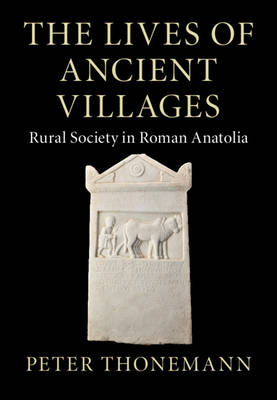
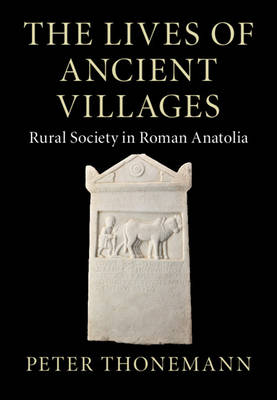
Our conception of the culture and values of the ancient Greco-Roman world is largely based on texts and material evidence left behind by a small and atypical group of city-dwellers. The people of the deep Mediterranean countryside seldom appear in the historical record from antiquity, and almost never as historical actors. This book is the first extended historical ethnography of an ancient village society, based on an extraordinarily rich body of funerary and propitiatory inscriptions from a remote upland region of Roman Asia Minor. Rural kinship structures and household forms are analysed in detail, as are the region's demography, religious life, gender relations, class structure, normative standards and values. Roman north-east Lydia is perhaps the only non-urban society in the Greco-Roman world whose culture can be described at so fine-grained a level of detail: a world of tight-knit families, egalitarian values, hard agricultural labour, village solidarity, honour, piety and love.
Specificaties
Betrokkenen
- Auteur(s):
- Uitgeverij:
Inhoud
- Aantal bladzijden:
- 396
- Taal:
- Engels
- Reeks:
Eigenschappen
- Productcode (EAN):
- 9781009123211
- Verschijningsdatum:
- 17/11/2022
- Uitvoering:
- Hardcover
- Formaat:
- Genaaid
- Afmetingen:
- 170 mm x 244 mm
- Gewicht:
- 861 g


Alleen bij Standaard Boekhandel
+ 126 punten op je klantenkaart van Standaard Boekhandel
CADEAU

AANGERADEN


Beoordelingen
We publiceren alleen reviews die voldoen aan de voorwaarden voor reviews. Bekijk onze voorwaarden voor reviews.