



Bedankt voor het vertrouwen het afgelopen jaar! Om jou te bedanken bieden we GRATIS verzending (in België) aan op alles gedurende de hele maand januari.
- Afhalen na 1 uur in een winkel met voorraad
- In januari gratis thuislevering in België
- Ruim aanbod met 7 miljoen producten
Bedankt voor het vertrouwen het afgelopen jaar! Om jou te bedanken bieden we GRATIS verzending (in België) aan op alles gedurende de hele maand januari.
- Afhalen na 1 uur in een winkel met voorraad
- In januari gratis thuislevering in België
- Ruim aanbod met 7 miljoen producten





€ 163,45
+ 326 punten
Omschrijving
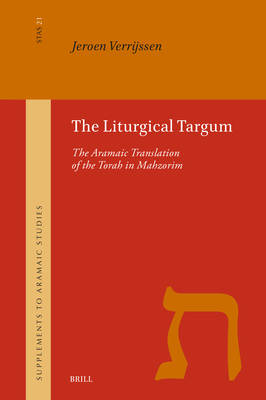
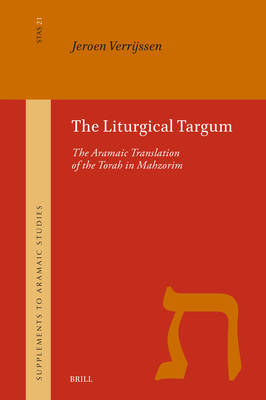
What happens when a community continues to recite and transmit sacred texts it no longer understands? The Targum, or Aramaic translation of the Hebrew Bible, found its origins in the first centuries CE, and yet Jewish communities continued to transmit its contents well into the Middle Ages, when knowledge of Aramaic was considered to be scarce. This book explores the Liturgical Targum as it appears in festival prayerbooks (mahzorim). Drawing on previously unpublished manuscript fragments, it traces how different Jewish communities adopted and adapted the Aramaic translation in their liturgies. Readers of this book will discover how layers of copying, reinterpretation, and scribal creativity shaped the textual history of the Targum.
Specificaties
Betrokkenen
- Auteur(s):
- Uitgeverij:
Inhoud
- Aantal bladzijden:
- 174
- Taal:
- Engels
- Reeks:
- Reeksnummer:
- nr. 21
Eigenschappen
- Productcode (EAN):
- 9789004748828
- Verschijningsdatum:
- 29/01/2026
- Uitvoering:
- Hardcover
- Formaat:
- Genaaid
- Afmetingen:
- 155 mm x 235 mm


Alleen bij Standaard Boekhandel
+ 326 punten op je klantenkaart van Standaard Boekhandel
SOLDEN


Beoordelingen
We publiceren alleen reviews die voldoen aan de voorwaarden voor reviews. Bekijk onze voorwaarden voor reviews.