


- Afhalen na 1 uur in een winkel met voorraad
- Gratis thuislevering in België vanaf € 30
- Ruim aanbod met 7 miljoen producten
- Afhalen na 1 uur in een winkel met voorraad
- Gratis thuislevering in België vanaf € 30
- Ruim aanbod met 7 miljoen producten




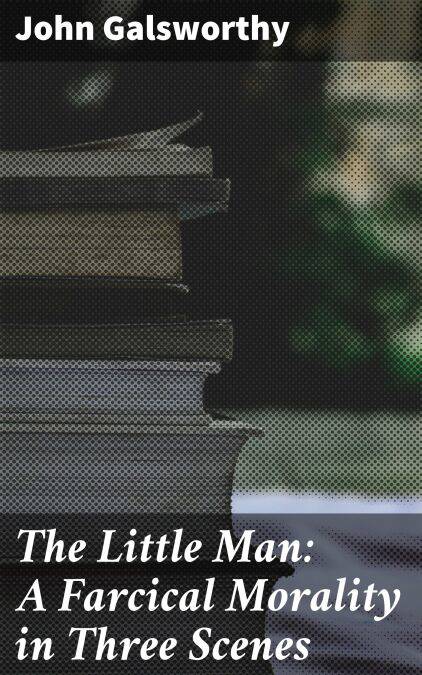
The Little Man: A Farcical Morality in Three Scenes E-BOOK
A Satirical Farce on Societal Morality and Human Absurdities
John Galsworthy
E-book | Engels
€ 0,49
Omschrijving
In "The Little Man: A Farcical Morality in Three Scenes," John Galsworthy presents a sharp and satirical examination of social and moral dilemmas faced by the modern individual. This play utilizes the conventions of farce to explore themes of class, integrity, and the absurdity of human behavior. Galsworthy's crisp dialogue and pointed wit enhance the comedic aspects while simultaneously delving into profound moral questions, reflective of the early 20th-century literary movement that sought to reconcile societal expectations with individual desires. Each scene unfolds with a blend of humor and seriousness, compelling the audience to confront the paradoxes that define human existence. John Galsworthy, an eminent British novelist and playwright, is well-known for his critique of social issues, influenced by his background in a privileged yet morally aware setting. His experiences observing the disparities of class and ethical conduct during the tumultuous era preceding World War I provided fertile ground for crafting this incisive morality play. Galsworthy's commitment to problems of justice and societal reform resonates throughout his work, shedding light on the complexities of human character. "The Little Man" is a must-read for those intrigued by the interplay of humor and morality within literature. It invites readers to reflect on their own ethical stances while offering a compelling narrative that fuses classical themes with contemporary concerns. Galsworthy's ability to engage and challenge his audience makes this work an essential addition to the repertoire of modern drama.
Specificaties
Betrokkenen
- Auteur(s):
- Uitgeverij:
Inhoud
- Aantal bladzijden:
- 112
- Taal:
- Engels
Eigenschappen
- Productcode (EAN):
- 4064066223397
- Verschijningsdatum:
- 24/04/2021
- Uitvoering:
- E-book
- Beveiligd met:
- Digital watermarking
- Formaat:
- ePub


Alleen bij Standaard Boekhandel
Wedstrijd


Beoordelingen
We publiceren alleen reviews die voldoen aan de voorwaarden voor reviews. Bekijk onze voorwaarden voor reviews.