


- Afhalen na 1 uur in een winkel met voorraad
- Gratis thuislevering in België vanaf € 30
- Ruim aanbod met 7 miljoen producten
- Afhalen na 1 uur in een winkel met voorraad
- Gratis thuislevering in België vanaf € 30
- Ruim aanbod met 7 miljoen producten





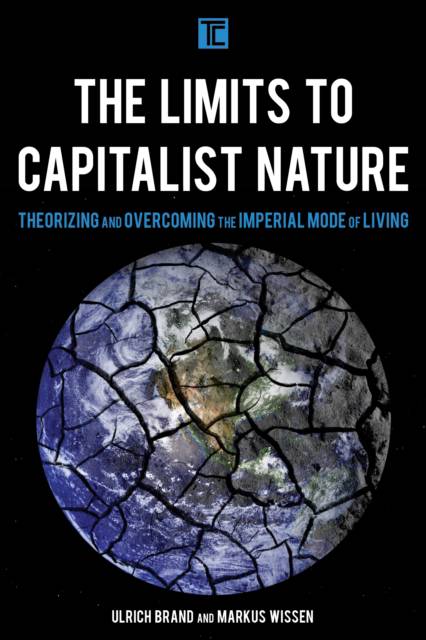
The Limits to Capitalist Nature
Theorizing and Overcoming the Imperial Mode of Living
Ulrich Brand, Markus Wissen
€ 254,45
+ 508 punten
Uitvoering
Omschrijving
The book provides for a historical-materialist understanding of the multiple crises of capitalism, focusing on the ecological crisis and its interaction with other crisis phenomena (financial crisis, crisis of democracy, economic crisis). Drawing on political ecology, Gramscian theory of hegemony, critical state theory and the regulation approach, it introduces the concept of an imperial mode of living in order to better understand the everyday practices and perceptions as well as the social relations of forces and institutional constellations that facilitate environmentally destructive patterns of production and consumption. Furthermore, it develops a historical-materialist critique of the green economy concept that has been propagated in recent years as a solution not only for the ecological but also for the economic crisis. Finally, the book proposes a democratisation of societal nature relations as a way out of the crisis that requires overcoming capitalist property relations and the exclusive forms of controlling nature guaranteed by them.
Specificaties
Betrokkenen
- Auteur(s):
- Uitgeverij:
Inhoud
- Aantal bladzijden:
- 152
- Taal:
- Engels
- Reeks:
Eigenschappen
- Productcode (EAN):
- 9781786601551
- Verschijningsdatum:
- 14/03/2018
- Uitvoering:
- Hardcover
- Formaat:
- Genaaid
- Afmetingen:
- 152 mm x 229 mm
- Gewicht:
- 399 g


Alleen bij Standaard Boekhandel
+ 508 punten op je klantenkaart van Standaard Boekhandel
Cadeau

AANGERADEN


Beoordelingen
We publiceren alleen reviews die voldoen aan de voorwaarden voor reviews. Bekijk onze voorwaarden voor reviews.