


- Afhalen na 1 uur in een winkel met voorraad
- Gratis thuislevering in België vanaf € 30
- Ruim aanbod met 7 miljoen producten
- Afhalen na 1 uur in een winkel met voorraad
- Gratis thuislevering in België vanaf € 30
- Ruim aanbod met 7 miljoen producten





Omschrijving
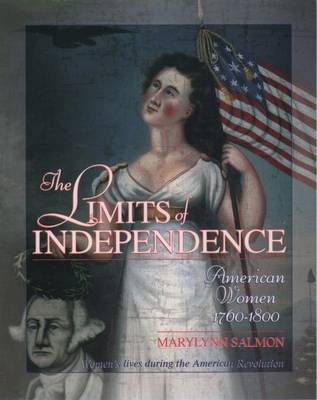
The second half of the 18th century saw a handful of English colonies transform themselves into a nation. This process involved not only a revolution against the British crown but also the uniting of a diverse population; in addition to the English who made up the bulk of the population, Africans and continental Europeans joined in the creation of the new republic. Although tradition dictated that the independent male citizen was the most important actor in this drama, political leaders soon learned that the support of women was essential to the success of a republican form of government. Salmon demonstrates the new directions in women's lives, including reforms in education, that occurred during this era of experimentation. She also delineates the ways in which women's lives remained constrained by the racial and cultural assumptions of the age, for while white women's horizons expanded, Native American women and women of African descent suffered greatly.
Educator Judith Sargent Murray, poet Phillis Wheatley, writer and educator Susanna Rowson (who wrote Charlotte Temple, the first American best-seller), and other women--both well-known and unsung--fill the pages of The Limits of Independence, which looks at women's lives during the time of the American Revolution.
Educator Judith Sargent Murray, poet Phillis Wheatley, writer and educator Susanna Rowson (who wrote Charlotte Temple, the first American best-seller), and other women--both well-known and unsung--fill the pages of The Limits of Independence, which looks at women's lives during the time of the American Revolution.
Specificaties
Betrokkenen
- Auteur(s):
- Uitgeverij:
Inhoud
- Aantal bladzijden:
- 144
- Taal:
- Engels
- Reeks:
- Reeksnummer:
- nr. 3
Eigenschappen
- Productcode (EAN):
- 9780195124019
- Verschijningsdatum:
- 26/03/1998
- Uitvoering:
- Paperback
- Formaat:
- Trade paperback (VS)
- Afmetingen:
- 188 mm x 235 mm
- Gewicht:
- 303 g


Alleen bij Standaard Boekhandel
+ 35 punten op je klantenkaart van Standaard Boekhandel
Cadeau

AANGERADEN


Beoordelingen
We publiceren alleen reviews die voldoen aan de voorwaarden voor reviews. Bekijk onze voorwaarden voor reviews.