


- Afhalen na 1 uur in een winkel met voorraad
- Gratis thuislevering in België vanaf € 30
- Ruim aanbod met 7 miljoen producten
- Afhalen na 1 uur in een winkel met voorraad
- Gratis thuislevering in België vanaf € 30
- Ruim aanbod met 7 miljoen producten





€ 165,95
+ 331 punten
Uitvoering
Omschrijving
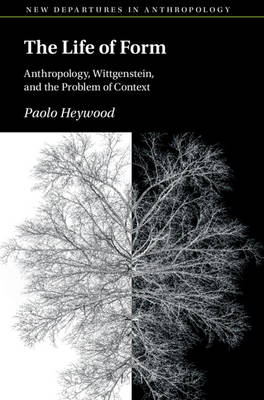
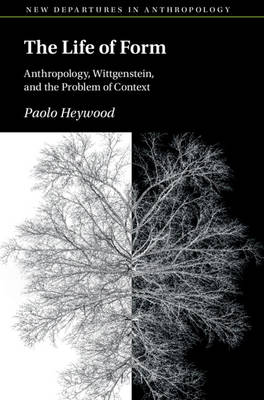
What if anthropology's fundamental assumptions about cultural and social context were shaped by a philosopher many anthropologists have never engaged with? This book explores how, from the early twentieth century to the present day, anthropological ideas about context have been shaped by Ludwig Wittgenstein's evolving philosophy, often without anthropologists fully realizing it. It shows how Wittgenstein's philosophical journey mirrors anthropology's own theoretical transformations. Through careful analysis of key figures from Malinowski and Radcliffe-Brown to Geertz and contemporary theorists, Paolo Heywood reveals unexpected connections between philosophical developments and anthropological practice. The result is a surprising genealogy of how we came to think about culture, society, and everyday life the way we do. This intellectual history illuminates the hidden philosophical assumptions that continue to shape anthropological work today. It reveals how disciplines are shaped by ideas they've forgotten they borrowed, and the surprising ways such ideas evolve in new contexts.
Specificaties
Betrokkenen
- Auteur(s):
- Uitgeverij:
Inhoud
- Aantal bladzijden:
- 316
- Taal:
- Engels
- Reeks:
Eigenschappen
- Productcode (EAN):
- 9781009356596
- Verschijningsdatum:
- 12/03/2026
- Uitvoering:
- Hardcover
- Formaat:
- Genaaid
- Afmetingen:
- 152 mm x 229 mm
- Gewicht:
- 589 g


Alleen bij Standaard Boekhandel
+ 331 punten op je klantenkaart van Standaard Boekhandel
Cadeau

AANGERADEN


Beoordelingen
We publiceren alleen reviews die voldoen aan de voorwaarden voor reviews. Bekijk onze voorwaarden voor reviews.