


- Afhalen na 1 uur in een winkel met voorraad
- Gratis thuislevering in België vanaf € 30
- Ruim aanbod met 7 miljoen producten
- Afhalen na 1 uur in een winkel met voorraad
- Gratis thuislevering in België vanaf € 30
- Ruim aanbod met 7 miljoen producten





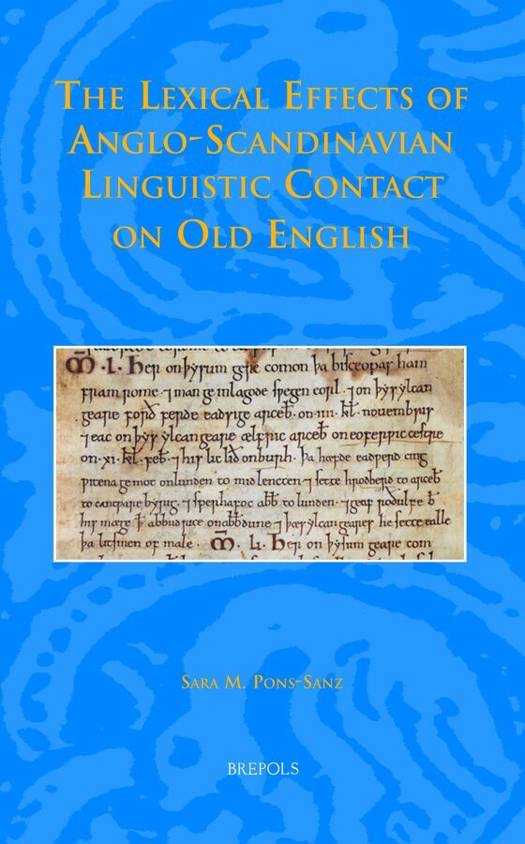
The Lexical Effects of Anglo-Scandinavian Linguistic Contact on Old English
Sara M. Pons-Sanz
€ 159,00
+ 318 punten
Omschrijving
Anglo-Saxon England experienced a process of multicultural assimilation similar to that of contemporary England. At the end of the ninth century, speakers of Old Norse from present-day Denmark, Norway, and Sweden started to settle down in the so-called Danelaw amongst the Anglo-Saxon inhabitants, and brought with them cultural traditions and linguistic elements that are still a very significant part of the English speaking world in the twenty-first century. This book analyses the first Norse terms to be recorded in English. After revising the list of terms recorded in Old English texts which can be considered to have derived from Norse, the author explores their dialectal and chronological distribution, as well as the semantic and stylistic relationship which the Norse-derived terms established with their native equivalents (when they existed). This approach helps to clarify questions such as these: Why were the terms borrowed? At what point did the terms stop being identified as 'foreign'? Why is a particular term used in a particular context? What can the terms tell us about the Anglo-Scandinavian sociolinguistic relations?
Specificaties
Betrokkenen
- Auteur(s):
- Uitgeverij:
Inhoud
- Aantal bladzijden:
- 604
- Taal:
- Frans
- Reeks:
- Reeksnummer:
- nr. 1
Eigenschappen
- Productcode (EAN):
- 9782503534718
- Verschijningsdatum:
- 2/10/2013
- Uitvoering:
- Hardcover
- Formaat:
- Genaaid
- Afmetingen:
- 163 mm x 239 mm
- Gewicht:
- 1156 g



Alleen bij Standaard Boekhandel
+ 318 punten op je klantenkaart van Standaard Boekhandel
Cadeau

AANGERADEN


Beoordelingen
We publiceren alleen reviews die voldoen aan de voorwaarden voor reviews. Bekijk onze voorwaarden voor reviews.