



- Afhalen na 1 uur in een winkel met voorraad
- In januari gratis thuislevering in België
- Ruim aanbod met 7 miljoen producten
- Afhalen na 1 uur in een winkel met voorraad
- In januari gratis thuislevering in België
- Ruim aanbod met 7 miljoen producten




€ 18,99
+ 18 punten
Uitvoering
Omschrijving
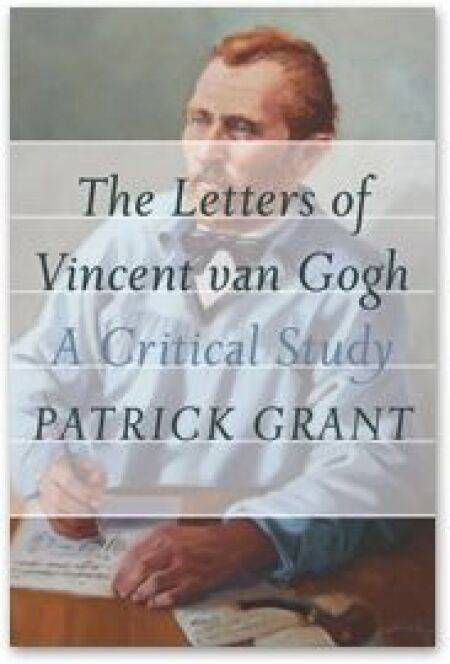
When he died at the age of thirty-seven, Vincent van Gogh left a legacy of over two thousand artworks, for which he is now justly famous. But van Gogh was also a prodigious writer of letters—more than eight hundred of them, addressed to his parents, to friends such as Paul Gauguin, and, above all, to his brother Theo. His letters have long been admired for their exceptional literary quality, and art historians have sometimes drawn on the letters in their analysis of the paintings. And yet, to date, no one has undertaken a critical assessment of this remarkable body of writing—not as a footnote to the paintings but as a highly sophisticated literary achievement in its own right. Patrick Grant’s long-awaited study provides such an assessment and, as such, redresses a significant omission in the field of van Gogh studies.
As Grant demonstrates, quite apart from furnishing a highly revealing self-portrait of their author, the letters are compelling for their imaginative and expressive power, as well as for the perceptive commentary they offer on universal human themes. Through a subtle exploration of van Gogh’s contrastive style of thinking and his fascination with the notion of imperfection, Grant illuminates gradual shifts in van Gogh’s ideas on religion, ethics, and the meaning of art. He also analyzes the metaphorical significance of a number of key images in the letters, which prove to yield unexpected psychological and conceptual connections, and probes the relationships that surface when the letters are viewed as a cohesive literary product. The result is a wealth of new insights into van Gogh’s inner landscape.
As Grant demonstrates, quite apart from furnishing a highly revealing self-portrait of their author, the letters are compelling for their imaginative and expressive power, as well as for the perceptive commentary they offer on universal human themes. Through a subtle exploration of van Gogh’s contrastive style of thinking and his fascination with the notion of imperfection, Grant illuminates gradual shifts in van Gogh’s ideas on religion, ethics, and the meaning of art. He also analyzes the metaphorical significance of a number of key images in the letters, which prove to yield unexpected psychological and conceptual connections, and probes the relationships that surface when the letters are viewed as a cohesive literary product. The result is a wealth of new insights into van Gogh’s inner landscape.
Specificaties
Betrokkenen
- Auteur(s):
- Uitgeverij:
Inhoud
- Aantal bladzijden:
- 254
- Taal:
- Engels
- Reeks:
Eigenschappen
- Productcode (EAN):
- 9781927356760
- Verschijningsdatum:
- 1/05/2014
- Uitvoering:
- E-book
- Beveiligd met:
- Digital watermarking
- Formaat:
- ePub


Alleen bij Standaard Boekhandel
+ 18 punten op je klantenkaart van Standaard Boekhandel
Cadeau

AANGERADEN


Beoordelingen
We publiceren alleen reviews die voldoen aan de voorwaarden voor reviews. Bekijk onze voorwaarden voor reviews.