


- Afhalen na 1 uur in een winkel met voorraad
- Gratis thuislevering in België vanaf € 30
- Ruim aanbod met 7 miljoen producten
- Afhalen na 1 uur in een winkel met voorraad
- Gratis thuislevering in België vanaf € 30
- Ruim aanbod met 7 miljoen producten





€ 0,49
Uitvoering
Omschrijving
Probably there are few who to-day question the propriety of publishing the love-letters of eminent persons a generation after the deaths of both parties to the correspondence. When one recalls the published love-letters of Abelard, of Dorothy Osborne, of Lady Hamilton, of Mary Wollstonecraft, of Margaret Fuller, of George Sand, Bismarck, Shelley, Victor Hugo, Edgar Allan Poe, and—to mention only one more illustrious example—of the Brownings, one must needs look upon this form of presenting biographical material as a well-established, if not a valuable, convention of letters.
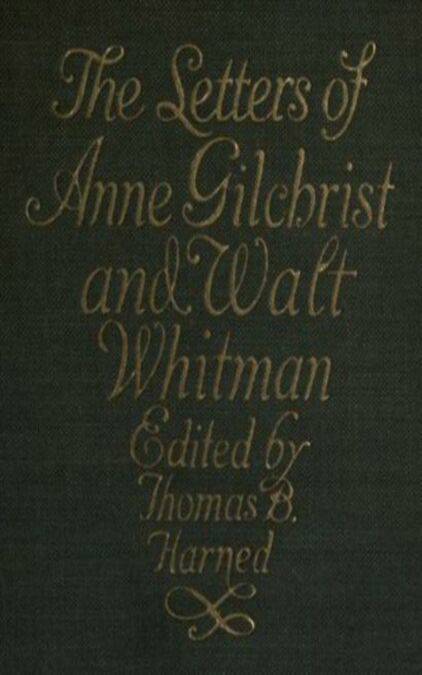
As to the particular set of letters presented to the reader in this volume, a word of explanation and history may be required. Most of these letters are from Anne Gilchrist to Walt Whitman, a few are replies to her letters, and a few are letters from her children to Whitman. Mrs. Gilchrist died in 1885. When, two years later, her son, Herbert Harlakenden Gilchrist, was collecting material for his interesting biography of his mother, Whitman was asked for the letters that she had written to him—or rather for extracts from them. In reply to this request the poet said, "I do not know that I can furnish any good reason, but I feel to keep these utterances exclusively to myself. But I cannot let your book go to press without at least saying—and wishing it put on record—that among the perfect women I have met (and it has been my unspeakably good fortune to have had the very best, for mother, sisters, and friends) I have known none more perfect in every relation, than my dear, dear friend, Anne Gilchrist.
As to the particular set of letters presented to the reader in this volume, a word of explanation and history may be required. Most of these letters are from Anne Gilchrist to Walt Whitman, a few are replies to her letters, and a few are letters from her children to Whitman. Mrs. Gilchrist died in 1885. When, two years later, her son, Herbert Harlakenden Gilchrist, was collecting material for his interesting biography of his mother, Whitman was asked for the letters that she had written to him—or rather for extracts from them. In reply to this request the poet said, "I do not know that I can furnish any good reason, but I feel to keep these utterances exclusively to myself. But I cannot let your book go to press without at least saying—and wishing it put on record—that among the perfect women I have met (and it has been my unspeakably good fortune to have had the very best, for mother, sisters, and friends) I have known none more perfect in every relation, than my dear, dear friend, Anne Gilchrist.
Specificaties
Betrokkenen
- Auteur(s):
- Uitgeverij:
Inhoud
- Aantal bladzijden:
- 377
- Taal:
- Engels
Eigenschappen
- Productcode (EAN):
- 9783736414655
- Verschijningsdatum:
- 9/09/2016
- Uitvoering:
- E-book
- Beveiligd met:
- Digital watermarking
- Formaat:
- ePub


Alleen bij Standaard Boekhandel
AANGERADEN


Beoordelingen
We publiceren alleen reviews die voldoen aan de voorwaarden voor reviews. Bekijk onze voorwaarden voor reviews.