


- Afhalen na 1 uur in een winkel met voorraad
- Gratis thuislevering in België vanaf € 30
- Ruim aanbod met 7 miljoen producten
- Afhalen na 1 uur in een winkel met voorraad
- Gratis thuislevering in België vanaf € 30
- Ruim aanbod met 7 miljoen producten





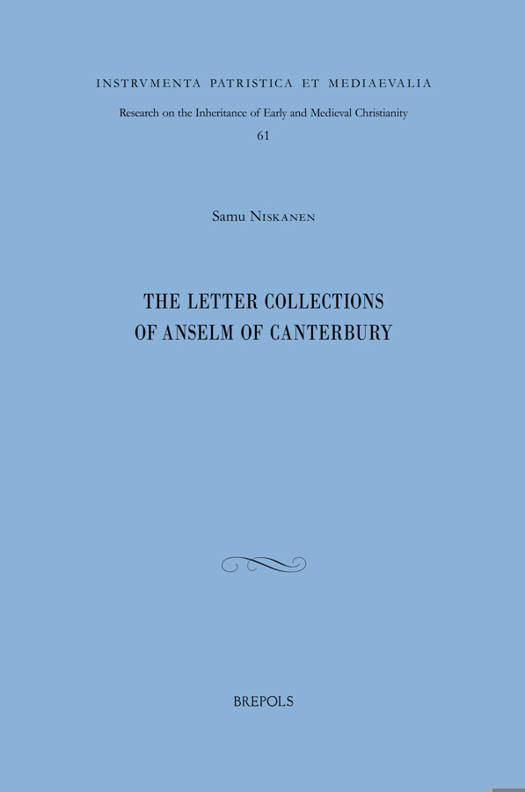
The Letter Collections of Anselm of Canterbury
Samu Niskanen
€ 116,60
+ 233 punten
Omschrijving
The letters of Anselm of Canterbury (a 1109) provide the clearest insight into his mind and action, and they also constitute one of our finest vantage points to observe the formation of those profound forces moulding Europe in the late eleventh- and early twelfth centuries. The focus of the present study is the transmission of Anselm's correspondence. It argues that many of the conclusions of earlier scholarship have been constructed on flawed foundations. Using evidence from all known manuscripts and printed editions, the study seeks to demonstrate precisely how Anselm's letters have survived and how the surviving witnesses relate to one another. The study also aims to define the historical contexts within which our key manuscripts were copied and edited. Only when equipped with this store of information can we begin to understand the editorial processes that shaped the textual tradition of Anselm's letter collections before and after his death.
Specificaties
Betrokkenen
- Auteur(s):
- Uitgeverij:
Inhoud
- Aantal bladzijden:
- 348
- Taal:
- Frans
- Reeks:
- Reeksnummer:
- nr. 61
Eigenschappen
- Productcode (EAN):
- 9782503540757
- Verschijningsdatum:
- 26/01/2012
- Uitvoering:
- Hardcover
- Formaat:
- Genaaid
- Afmetingen:
- 170 mm x 251 mm
- Gewicht:
- 816 g


Alleen bij Standaard Boekhandel
+ 233 punten op je klantenkaart van Standaard Boekhandel
Cadeau

AANGERADEN


Beoordelingen
We publiceren alleen reviews die voldoen aan de voorwaarden voor reviews. Bekijk onze voorwaarden voor reviews.