


- Afhalen na 1 uur in een winkel met voorraad
- Gratis thuislevering in België vanaf € 30
- Ruim aanbod met 7 miljoen producten
- Afhalen na 1 uur in een winkel met voorraad
- Gratis thuislevering in België vanaf € 30
- Ruim aanbod met 7 miljoen producten





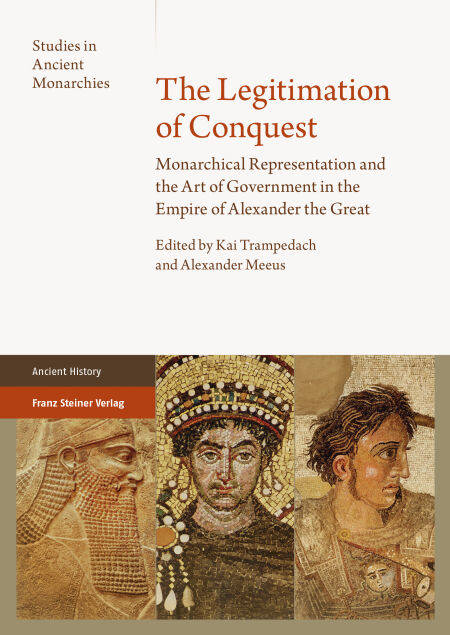
The Legitimation of Conquest E-BOOK
Monarchical Representation and the Art of Government in the Empire of Alexander the Great
€ 85,00
+ 85 punten
Omschrijving
Within a single decade (334–325 BC) Alexander III of Macedon conquered much of the known world of his time, creating an empire that stretched from the Balkans to India and southern Egypt. His clear intention of establishing permanent dominion over this huge and culturally diverse territory raises questions about whether and how he tried to legitimate his position and about the reactions of various groups subject to his rule: Macedonians, Greeks, the army, indigenous elites. Starting from Max Weber's "Herrschaftssoziologie", the 15 authors discuss Alexander's strategies of legitimation as well as the motives his subjects may have had for offering him obedience. The analysis of monarchical representation and political communication in these case-studies on symbolic performances and economic, administrative and religious measures sheds new light on the reasons for the swift Macedonian conquest: It appears that Alexander and his staff owed their success not only to their military talent but also to their communication skills and their capacity to cater to the expectations of their audiences.
Specificaties
Betrokkenen
- Uitgeverij:
Inhoud
- Aantal bladzijden:
- 363
- Taal:
- Engels
- Reeks:
Eigenschappen
- Productcode (EAN):
- 9783515127837
- Verschijningsdatum:
- 15/07/2020
- Uitvoering:
- E-book
- Beveiligd met:
- Digital watermarking
- Formaat:

Alleen bij Standaard Boekhandel
+ 85 punten op je klantenkaart van Standaard Boekhandel
Cadeau

AANGERADEN


Beoordelingen
We publiceren alleen reviews die voldoen aan de voorwaarden voor reviews. Bekijk onze voorwaarden voor reviews.