


- Afhalen na 1 uur in een winkel met voorraad
- Gratis thuislevering in België vanaf € 30
- Ruim aanbod met 7 miljoen producten
- Afhalen na 1 uur in een winkel met voorraad
- Gratis thuislevering in België vanaf € 30
- Ruim aanbod met 7 miljoen producten





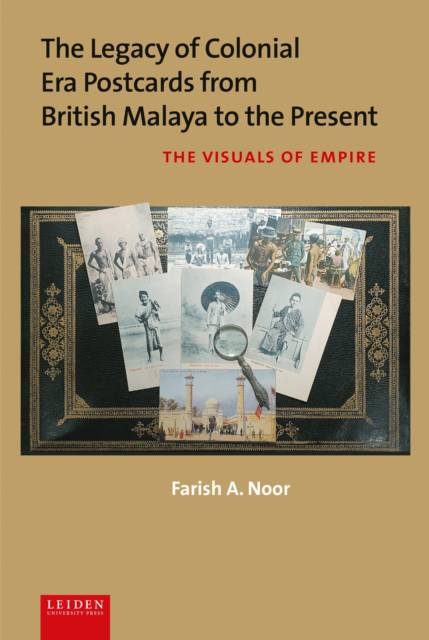
The Legacy of Colonial Era Postcards from British Malaya to the Present
The Visuals of Empire
Farish A. Noor
Hardcover | Nederlands
€ 122,00
+ 244 punten
Omschrijving
"By the closing decades of the 19th century, photography and postcard-production arrived in British Malaya. The colonial-era postcards that were produced up to the 1940s captured virtually all aspects of life in the British colony and remain as visual testimonies of how the colonial subjects at the time lived and worked, as well as their relationship to the land. And yet, despite the developments in photography and postcard-production, the images that were produced also reiterated and reproduced visuals of the land and its people in debilitating terms that were similar to earlier depictions of Southeast Asians that date back to the 17th century. This book looks at the production of postcards in the colonial era and argues that, in many ways, colonial postcards replicated and perpetuated Eurocentric understandings about human society and the natural world in the colonised East and shows how the images corresponded to established understandings about development and colonial intervention. Though the colonial-era postcard-maker may not have been at the vanguard of colonial expansion, he did play a role in helping to build the order of knowledge and power upon which racialised colonial capitalism rested. This work also considers the enduring legacy of these images today and raises the question of why similar visuals remain in circulation in the postcolonial present. "
Specificaties
Betrokkenen
- Auteur(s):
- Uitgeverij:
Inhoud
- Aantal bladzijden:
- 350
- Taal:
- Nederlands
Eigenschappen
- Productcode (EAN):
- 9789087284404
- Verschijningsdatum:
- 30/10/2025
- Uitvoering:
- Hardcover
- Formaat:
- Genaaid
- Afmetingen:
- 166 mm x 241 mm
- Gewicht:
- 484 g


Alleen bij Standaard Boekhandel
+ 244 punten op je klantenkaart van Standaard Boekhandel

Beoordelingen
We publiceren alleen reviews die voldoen aan de voorwaarden voor reviews. Bekijk onze voorwaarden voor reviews.