


- Afhalen na 1 uur in een winkel met voorraad
- Gratis thuislevering in België vanaf € 30
- Ruim aanbod met 7 miljoen producten
- Afhalen na 1 uur in een winkel met voorraad
- Gratis thuislevering in België vanaf € 30
- Ruim aanbod met 7 miljoen producten





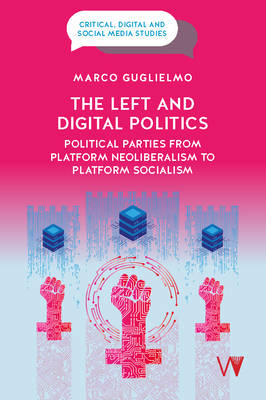
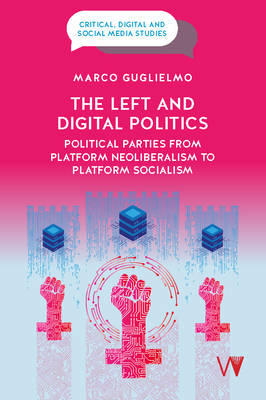
The Left and Digital Politics
Political Parties from Platform Neoliberalism to Platform Socialism
Marco Guglielmo
€ 31,95
+ 63 punten
Omschrijving
Digital platforms are more than devices, algorithms and websites. They organise societies through the leadership of platform capitalists and their allies in political institutions. We know that this leadership, or hegemony, fosters exploitation and inequalities. We also know that a politics of resistance is emerging among platform workers and communities around the digital commons.Less known is how the left has been changing to have a say in digital politics. And what do left-wing parties think and do about platform societies? The Left and Digital Politics answers these questions by developing an updated Gramscian critical theory of (counter-)hegemony in platform societies and a comparative analysis of the ideologies and practices of key European left-wing parties.The book provides a map of left-wing ideas and practices on digital politics, a compass to point out how some left-wing parties perform as barriers or allies of radical change, and an analytical toolkit to open new routes towards platform socialism.
Specificaties
Betrokkenen
- Auteur(s):
- Uitgeverij:
Inhoud
- Aantal bladzijden:
- 224
- Taal:
- Engels
- Reeks:
Eigenschappen
- Productcode (EAN):
- 9781915445445
- Verschijningsdatum:
- 4/03/2025
- Uitvoering:
- Paperback
- Formaat:
- Trade paperback (VS)
- Afmetingen:
- 152 mm x 229 mm
- Gewicht:
- 453 g


Alleen bij Standaard Boekhandel
+ 63 punten op je klantenkaart van Standaard Boekhandel
Cadeau

AANGERADEN


Beoordelingen
We publiceren alleen reviews die voldoen aan de voorwaarden voor reviews. Bekijk onze voorwaarden voor reviews.