


- Afhalen na 1 uur in een winkel met voorraad
- Gratis thuislevering in België vanaf € 30
- Ruim aanbod met 7 miljoen producten
- Afhalen na 1 uur in een winkel met voorraad
- Gratis thuislevering in België vanaf € 30
- Ruim aanbod met 7 miljoen producten





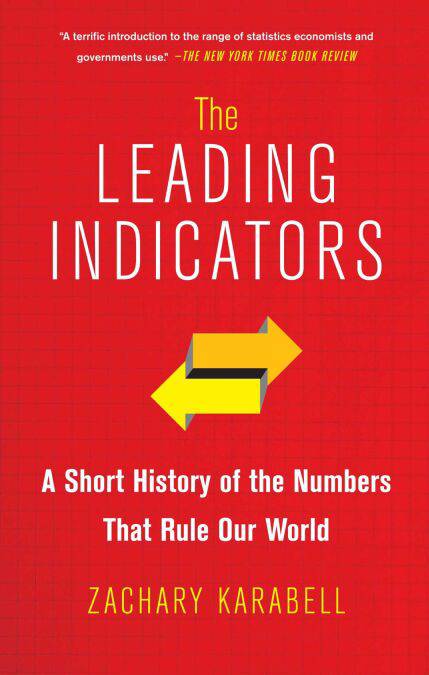
The Leading Indicators E-BOOK
A Short History of the Numbers That Rule Our World
Zachary Karabell
E-book | Engels
€ 16,76
+ 16 punten
Uitvoering
Omschrijving
How did we come by the “leading indicators” we place such stock in? We allocate trillions of dollars and make public policy and personal decisions based upon them, but what do they really tell us?
“The leading indicators” shape our lives intimately, but few of us know where these numbers come from, what they mean, or why they rule the world. GDP, inflation, unemployment, trade, and a host of averages determine whether we feel optimistic or pessimistic about the country’s future and our own. They dictate whether businesses hire and invest, or fire and hunker down, whether governments spend trillions or try to reduce debt, whether individuals marry, buy a car, get a mortgage, or look for a job.
Zachary Karabell tackles the history and the limitations of each of our leading indicators. The solution is not to invent new indicators, but to become less dependent on a few simple figures and tap into the data revolution. We have unparalleled power to find the information we need, but only if we let go of the outdated indicators that lead and mislead us.
“The leading indicators” shape our lives intimately, but few of us know where these numbers come from, what they mean, or why they rule the world. GDP, inflation, unemployment, trade, and a host of averages determine whether we feel optimistic or pessimistic about the country’s future and our own. They dictate whether businesses hire and invest, or fire and hunker down, whether governments spend trillions or try to reduce debt, whether individuals marry, buy a car, get a mortgage, or look for a job.
Zachary Karabell tackles the history and the limitations of each of our leading indicators. The solution is not to invent new indicators, but to become less dependent on a few simple figures and tap into the data revolution. We have unparalleled power to find the information we need, but only if we let go of the outdated indicators that lead and mislead us.
Specificaties
Betrokkenen
- Auteur(s):
- Uitgeverij:
Inhoud
- Aantal bladzijden:
- 304
- Taal:
- Engels
Eigenschappen
- Productcode (EAN):
- 9781451651256
- Verschijningsdatum:
- 10/02/2014
- Uitvoering:
- E-book
- Beveiligd met:
- Adobe DRM
- Formaat:
- ePub


Alleen bij Standaard Boekhandel
+ 16 punten op je klantenkaart van Standaard Boekhandel
CADEAU

AANGERADEN


Beoordelingen
We publiceren alleen reviews die voldoen aan de voorwaarden voor reviews. Bekijk onze voorwaarden voor reviews.