


- Afhalen na 1 uur in een winkel met voorraad
- Gratis thuislevering in België vanaf € 30
- Ruim aanbod met 7 miljoen producten
- Afhalen na 1 uur in een winkel met voorraad
- Gratis thuislevering in België vanaf € 30
- Ruim aanbod met 7 miljoen producten





€ 150,00
+ 300 punten
Omschrijving
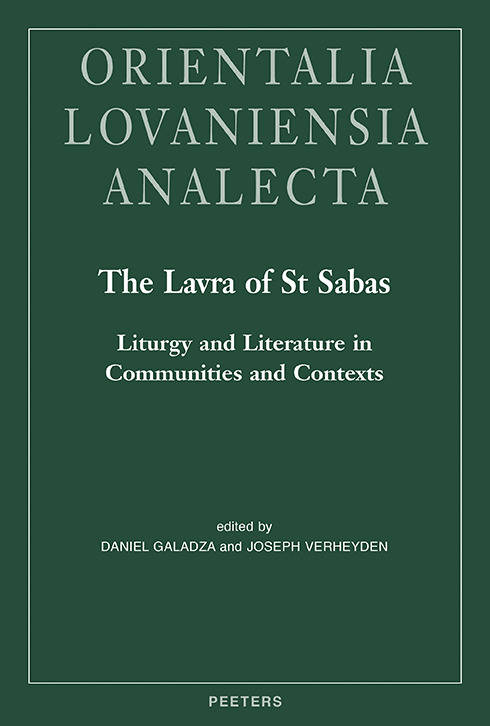
Founded at the end of the fifth century, the Lavra of St Sabas played an influential role in various aspects of theology, literature, and history, but rarely have these been considered together to supplement lacunae in other fields. The collected papers of this volume present a narrative that considers the diverse languages used at the monastery in prayer, literary activity, and daily life. In the past, scholars have written of a revival of literature at the Lavra, argued for the ascription of clergy to the brotherhood of Mar Saba, and defined a “Sabaite” liturgical tradition based on incomplete information. This volume examines the Sabaite heritage through a multilingual and contextual approach, considering liturgical manuscripts together with networks of literary production and monastic life in the Eastern Mediterranean of Late Antiquity and the Medieval Middle East. Several translations of texts from Greek, Syriac, Georgian, or Arabic appear here for the first time.
Specificaties
Betrokkenen
- Auteur(s):
- Uitgeverij:
Inhoud
- Aantal bladzijden:
- 492
- Taal:
- Engels
- Reeks:
- Reeksnummer:
- nr. 328
Eigenschappen
- Productcode (EAN):
- 9789042951044
- Verschijningsdatum:
- 31/12/2025
- Uitvoering:
- Hardcover
- Afmetingen:
- 26 cm x 28 cm


Alleen bij Standaard Boekhandel
+ 300 punten op je klantenkaart van Standaard Boekhandel
Wedstrijd


Beoordelingen
We publiceren alleen reviews die voldoen aan de voorwaarden voor reviews. Bekijk onze voorwaarden voor reviews.