


- Afhalen na 1 uur in een winkel met voorraad
- Gratis thuislevering in België vanaf € 30
- Ruim aanbod met 7 miljoen producten
- Afhalen na 1 uur in een winkel met voorraad
- Gratis thuislevering in België vanaf € 30
- Ruim aanbod met 7 miljoen producten





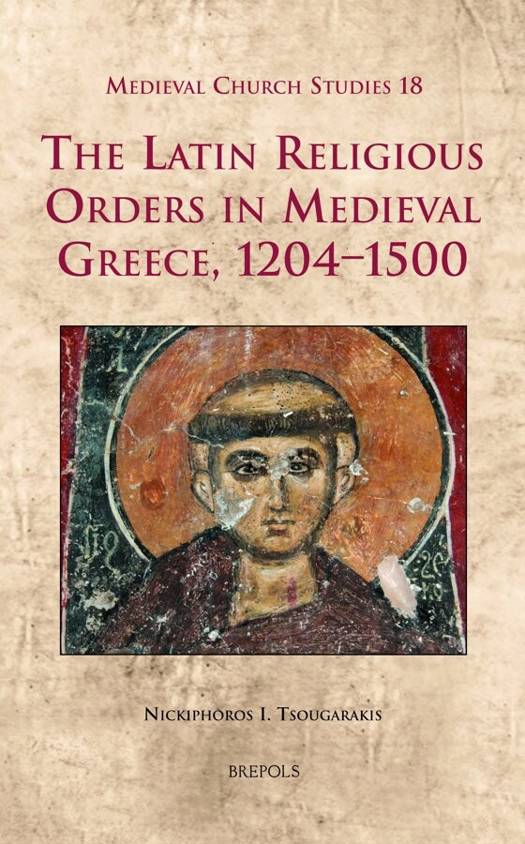
The Latin Religious Orders in Medieval Greece, 1204-1500
Nickiphoros I Tsougarakis
€ 127,20
+ 254 punten
Omschrijving
The monastic and mendicant orders that were so central in the evolution of western religion and spirituality also played a pivotal role in the expansion of Latin Christendom after the eleventh century. In the thirteenth century, following thecapture of Constantinople by the armies of the Fourth Crusade, Cistercians, Benedictines, Franciscans, and Dominicans installed themselves in the former territories of the Byzantine Empire. Here, they had to adapt and compromise in order to survive, whilst Latins, Turks, and Greeks struggled to gain supremacy in the Aegean. They were also, however, faced with the challenge of attracting the devotion of the Greek Orthodox population, advancing the cause of church union, and promoting the interests of their Frankish, Venetian, and Genoese patrons. This volume follows the orders' fortunes in medieval Greece, examines their involvement in the ecclesiastical and secular politics of the age, and looks at how the monks and friars pursued their spiritual, missionary, and Unionist goals in the frontier societies of Latin Romania.
Specificaties
Betrokkenen
- Auteur(s):
- Uitgeverij:
Inhoud
- Aantal bladzijden:
- 418
- Taal:
- Engels
- Reeks:
- Reeksnummer:
- nr. 18
Eigenschappen
- Productcode (EAN):
- 9782503532295
- Verschijningsdatum:
- 16/10/2012
- Uitvoering:
- Hardcover
- Formaat:
- Genaaid
- Afmetingen:
- 165 mm x 239 mm
- Gewicht:
- 816 g


Alleen bij Standaard Boekhandel
+ 254 punten op je klantenkaart van Standaard Boekhandel
Cadeau

AANGERADEN


Beoordelingen
We publiceren alleen reviews die voldoen aan de voorwaarden voor reviews. Bekijk onze voorwaarden voor reviews.