


- Afhalen na 1 uur in een winkel met voorraad
- Gratis thuislevering in België vanaf € 30
- Ruim aanbod met 7 miljoen producten
- Afhalen na 1 uur in een winkel met voorraad
- Gratis thuislevering in België vanaf € 30
- Ruim aanbod met 7 miljoen producten





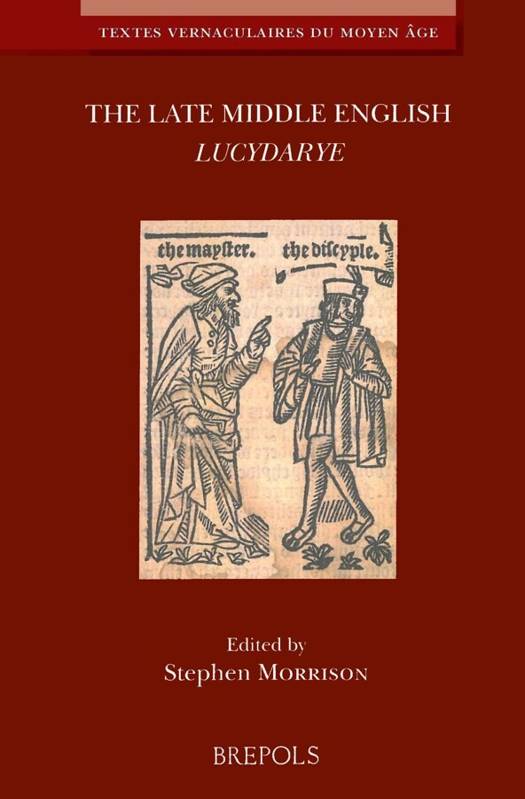
The Late Middle English 'Lucydarye'
Stephen Morrison
€ 74,20
+ 148 punten
Omschrijving
The Lucydarye is a late Middle English manual of popular instruction, largely religious in its orientation, though including lengthy discussions of witchcraft, demonology, and meteorological phenomena. There is a strong interest in pastoral instruction. Set in the form of a dialogue between a magister and his discipulus, it is an over-literal translation of a fourteenth-century French text known as the Second Lucidaire, itself a free adaptation of the Latin Elucidarium, traditionally attributed to Honorius Augustodunensis (Honorius of Autun). The translation is the work of one Andrew Chertsey. The Middle English text, edited here for the first time (from a Wynkyn de Worde print), bears striking similarities to other, popular works of an encyclopaedic nature, notably Sydrak and Bokkus and the Pricke of Conscience. Equally, there are many points in common with the sermon literature of the time. The Lucydarye is printed alongside the French source so as to allow the reader both to appreciate points of obscurity in the text and to observe Chertsey's translation technique. A discussion of the relationship between the Lucydarye and the various versions of the Second Lucidaire throws some light on the complicated textual tradition of the French prints
Specificaties
Betrokkenen
- Auteur(s):
- Uitgeverij:
Inhoud
- Aantal bladzijden:
- 181
- Taal:
- Frans
- Reeks:
- Reeksnummer:
- nr. 12
Eigenschappen
- Productcode (EAN):
- 9782503540825
- Verschijningsdatum:
- 26/12/2013
- Uitvoering:
- Paperback
- Formaat:
- Trade paperback (VS)
- Afmetingen:
- 157 mm x 234 mm
- Gewicht:
- 317 g


Alleen bij Standaard Boekhandel
+ 148 punten op je klantenkaart van Standaard Boekhandel
Cadeau

AANGERADEN


Beoordelingen
We publiceren alleen reviews die voldoen aan de voorwaarden voor reviews. Bekijk onze voorwaarden voor reviews.