


- Afhalen na 1 uur in een winkel met voorraad
- Gratis thuislevering in België vanaf € 30
- Ruim aanbod met 7 miljoen producten
- Afhalen na 1 uur in een winkel met voorraad
- Gratis thuislevering in België vanaf € 30
- Ruim aanbod met 7 miljoen producten


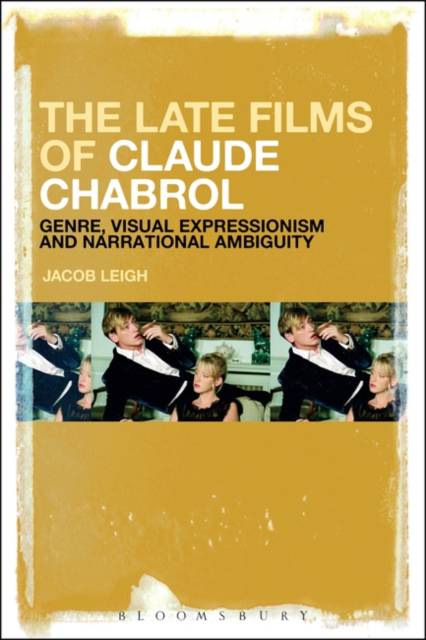
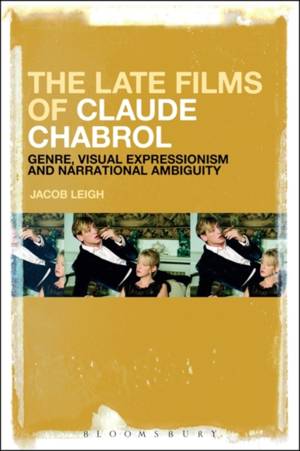
The Late Films of Claude Chabrol
Genre, Visual Expressionism and Narrational Ambiguity
Jacob Leigh
Hardcover | Engels
€ 296,95
+ 593 punten
Uitvoering
Omschrijving
A member of the French New Wave group of filmmakers who first came to prominence at the end of the 1950s, Claude Chabrol has received the least amount of critical and scholarly attention, although he was the more prolific and commercially successful of them all. Jacob Leigh fills this lacuna by focusing on the last nine feature films of Chabrol's career, exploring his imagery, camerawork, use of sound and music, and performances, revealing the stylistic characteristics of his films while identifying the fundamental thematic issues that lie at the heart of his career-length exploration of the relationship between individuals and societies.
Key areas of focus includes Chabrol's careful depiction of upper-class settings in films such as La Cérémonie (1995), Merci pour le chocolat (2000) and La Fille coupée en deux (2007) and on what Robin Wood and Michael Walker call 'the beast in man' (1970), the quasi-sympathetic 'id-figures' of which Le Boucher's Popaul is the most celebrated. Chabrol's 'id-figures' inherit the traits of Shadow of a Doubt's Uncle Charlie, Rope's Brandon and Strangers on a Train's Bruno, all three of whom have characteristics of the Nietzsche-quoting psychopath familiar in crime fiction. Additionally, The Late Films of Claude Chabrol considers the influence on Chabrol of a range of significant writers, including Patrick Hamilton, Patricia Highsmith, Charlotte Armstrong and Ruth Rendell.Specificaties
Betrokkenen
- Auteur(s):
- Uitgeverij:
Inhoud
- Aantal bladzijden:
- 208
- Taal:
- Engels
Eigenschappen
- Productcode (EAN):
- 9781501312496
- Verschijningsdatum:
- 19/10/2017
- Uitvoering:
- Hardcover
- Formaat:
- Genaaid
- Afmetingen:
- 155 mm x 236 mm
- Gewicht:
- 498 g


Alleen bij Standaard Boekhandel
+ 593 punten op je klantenkaart van Standaard Boekhandel
Wedstrijd


Beoordelingen
We publiceren alleen reviews die voldoen aan de voorwaarden voor reviews. Bekijk onze voorwaarden voor reviews.