


- Afhalen na 1 uur in een winkel met voorraad
- Gratis thuislevering in België vanaf € 30
- Ruim aanbod met 7 miljoen producten
- Afhalen na 1 uur in een winkel met voorraad
- Gratis thuislevering in België vanaf € 30
- Ruim aanbod met 7 miljoen producten





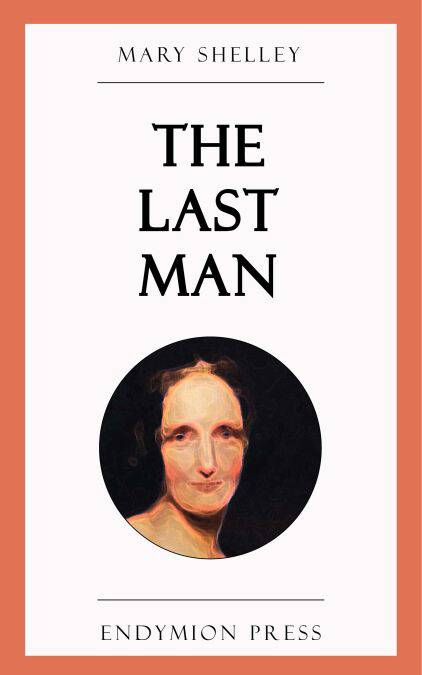
Omschrijving
The Last Man is a post-apocalyptic science fiction novel by Mary Shelley, which was first published in 1826. The book tells of a future world that has been ravaged by a plague. The novel was harshly reviewed at the time, and was virtually unknown until a scholarly revival beginning in the 1960s. It is notable in part for its semi-biographical portraits of Romantic figures in Shelley's circle, particularly Shelley's late husband Percy Bysshe Shelley and Lord Byron. Mary Shelley states in the introduction that in 1818 she discovered, in the Sibyl's cave near Naples, a collection of prophetic writings painted on leaves by the Cumaean Sibyl. She has edited these writings into the current narrative, the first-person narrative of a man living at the end of the 21st century.
Specificaties
Betrokkenen
- Auteur(s):
- Uitgeverij:
Inhoud
- Aantal bladzijden:
- 275
- Taal:
- Engels
Eigenschappen
- Productcode (EAN):
- 9781531298562
- Verschijningsdatum:
- 14/03/2018
- Uitvoering:
- E-book
- Beveiligd met:
- Digital watermarking
- Formaat:
- ePub


Alleen bij Standaard Boekhandel
Cadeau

AANGERADEN


Beoordelingen
We publiceren alleen reviews die voldoen aan de voorwaarden voor reviews. Bekijk onze voorwaarden voor reviews.