


- Afhalen na 1 uur in een winkel met voorraad
- Gratis thuislevering in België vanaf € 30
- Ruim aanbod met 7 miljoen producten
- Afhalen na 1 uur in een winkel met voorraad
- Gratis thuislevering in België vanaf € 30
- Ruim aanbod met 7 miljoen producten





€ 90,10
+ 180 punten
Omschrijving
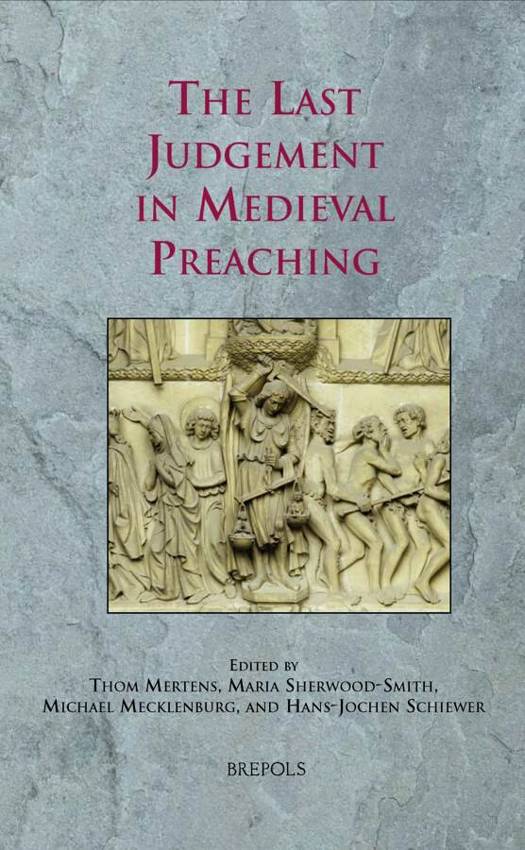
In the Middle Ages, the sermon was a powerful and versatile means of bringing the Word of God to the people. In fact, in the oral culture of that period, it was the primary medium for Christian clergy to convey religious education to lay audiences. Moreover, the sermon played an important role in the liturgy and life of the religious orders. With the growth of lay literacy the sermon collection also developed into a vernacular literary genre of its own. Two aspects of Christian piety, hopeful expectation on the one hand, and fearful anticipation on the other, were decisive factors for the shaping of religious life and practical pastoral care. Both these aspects were often brought to the fore in sermons on the Last Judgement as part of a recurrent argument against a life too much oriented towards the world. The preachers dwell on both the Particular Judgement occurring immediately after death and the General Judgement over the whole of creation at the end of times. This volume brings together scholars from several European countries with the purpose to present their research on the theme of the Last Judgement in medieval sermons. The scope of scholars is broadened to incorporate not only specialists in sermon studies, but also historians, theologians, and literary historians to encourage research along new, multi-perspectival lines.
Specificaties
Betrokkenen
- Auteur(s):
- Uitgeverij:
Inhoud
- Aantal bladzijden:
- 219
- Taal:
- Engels
- Reeks:
- Reeksnummer:
- nr. 3
Eigenschappen
- Productcode (EAN):
- 9782503515243
- Verschijningsdatum:
- 1/12/2008
- Uitvoering:
- Hardcover
- Formaat:
- Genaaid
- Afmetingen:
- 160 mm x 239 mm
- Gewicht:
- 498 g


Alleen bij Standaard Boekhandel
+ 180 punten op je klantenkaart van Standaard Boekhandel
Cadeau

AANGERADEN


Beoordelingen
We publiceren alleen reviews die voldoen aan de voorwaarden voor reviews. Bekijk onze voorwaarden voor reviews.