


- Afhalen na 1 uur in een winkel met voorraad
- Gratis thuislevering in België vanaf € 30
- Ruim aanbod met 7 miljoen producten
- Afhalen na 1 uur in een winkel met voorraad
- Gratis thuislevering in België vanaf € 30
- Ruim aanbod met 7 miljoen producten




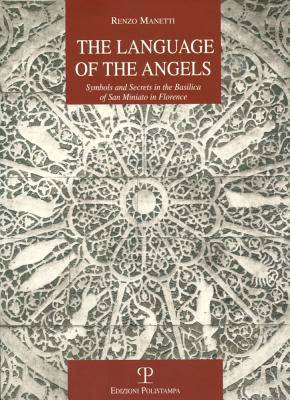
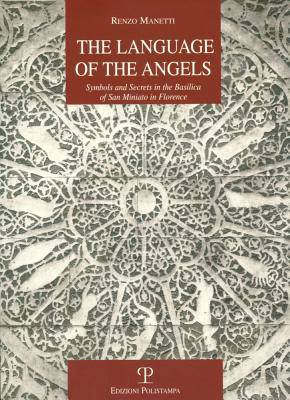
The Language of the Angels
Symbols and Secrets in the Basilica of San Miniato in Florence
Renzo Manetti
€ 33,95
+ 67 punten
Omschrijving
With Desiderium Sapientiae (The Desire for Wisdom) written in 1996, and Le Porte Celesti (The Doors of Heaven) published in 1999, now both out of print, Renzo Manetti returns in this book to his favourite theme of medieval sacred architecture and its symbols. Taking his cue from the complex symbolic vocabulary of the Basilica of San Miniato al Monte in Florence, he explores the true significance of the church as a Door to Heaven, one of those mysterious thin places on our planet where the spirit materialises and the body becomes spirit under the influence of powerful currents of energy. This new essay completes his first historical novel Il Segreto di San Miniato (The Secret of San Miniato), explaining some of the more arcane passages in the novel which may appear at first sight to be beyond the informed layman's grasp. The two books are complementary because each contains something the other is missing. This essay explains the symbols, but only the novel provides the key to open the hidden door. Italian original edition: March 2009
Specificaties
Betrokkenen
- Auteur(s):
- Uitgeverij:
Inhoud
- Aantal bladzijden:
- 88
- Taal:
- Engels
- Reeks:
Eigenschappen
- Productcode (EAN):
- 9788859609476
- Verschijningsdatum:
- 13/12/2011
- Uitvoering:
- Paperback
- Formaat:
- Trade paperback (VS)
- Afmetingen:
- 152 mm x 203 mm
- Gewicht:
- 158 g


Alleen bij Standaard Boekhandel
+ 67 punten op je klantenkaart van Standaard Boekhandel
Cadeau

AANGERADEN


Beoordelingen
We publiceren alleen reviews die voldoen aan de voorwaarden voor reviews. Bekijk onze voorwaarden voor reviews.